
























A vehicle’s battery is one of its most important components, yet it is often overlooked until problems arise.
A healthy car battery is essential. After all, it is responsible for starting the engine and powering a range of systems, including onboard computers, central locking and keyless entry.
Moree NRMA country service centre proprietor Doug Hill encourages drivers to have their batteries tested regularly to help identify potential issues before they result in a breakdown, with battery health checks free to NRMA members.
“Many motorists are familiar with the warning signs of a failing battery – low engine starts, dashboard warning lights, dim headlights and electrical accessories that do not function properly can all indicate that a battery is nearing the end of its service life,” Mr Hill said.
Most vehicle batteries last between three and five years, although factors such as extreme temperatures, frequent short trips and prolonged periods of inactivity can reduce their lifespan.




































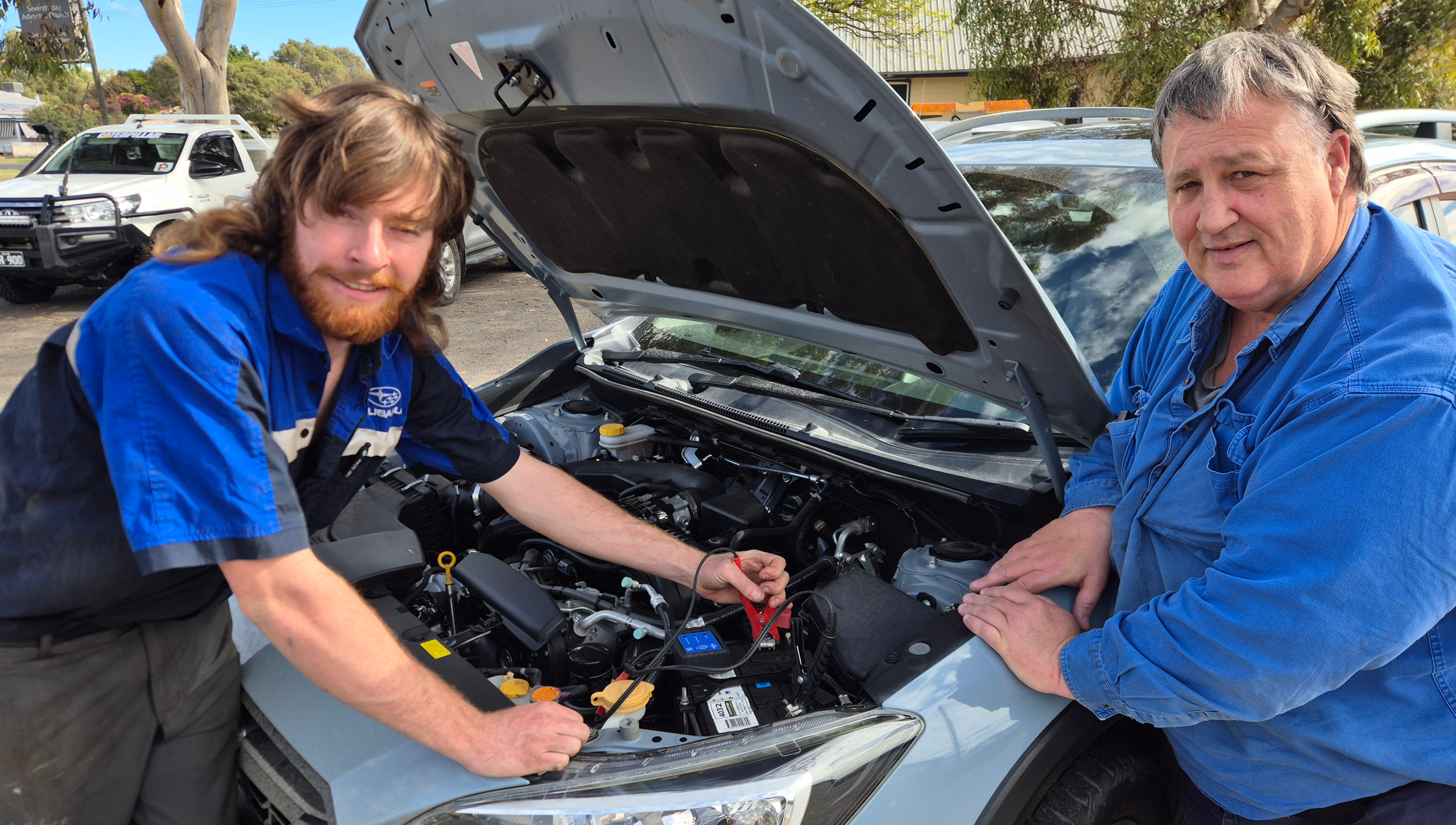
Moree NRMA country service centre proprietor Doug Hill and roadside-assist mechanic Corey Scriven advise motorists to regularly have car batteries checked.
An NRMA battery health check can identify problems before they become serious.
The process generally takes less than 10 minutes and involves specialised testing equipment connected to the battery terminals.
“We can check the battery’s charge level, temperature, condition of individual cells, starter motor performance and the vehicle’s charging system,” Mr Hill said.
If faults are detected, the vehicle owner will receive advice on available repair or replacement options.
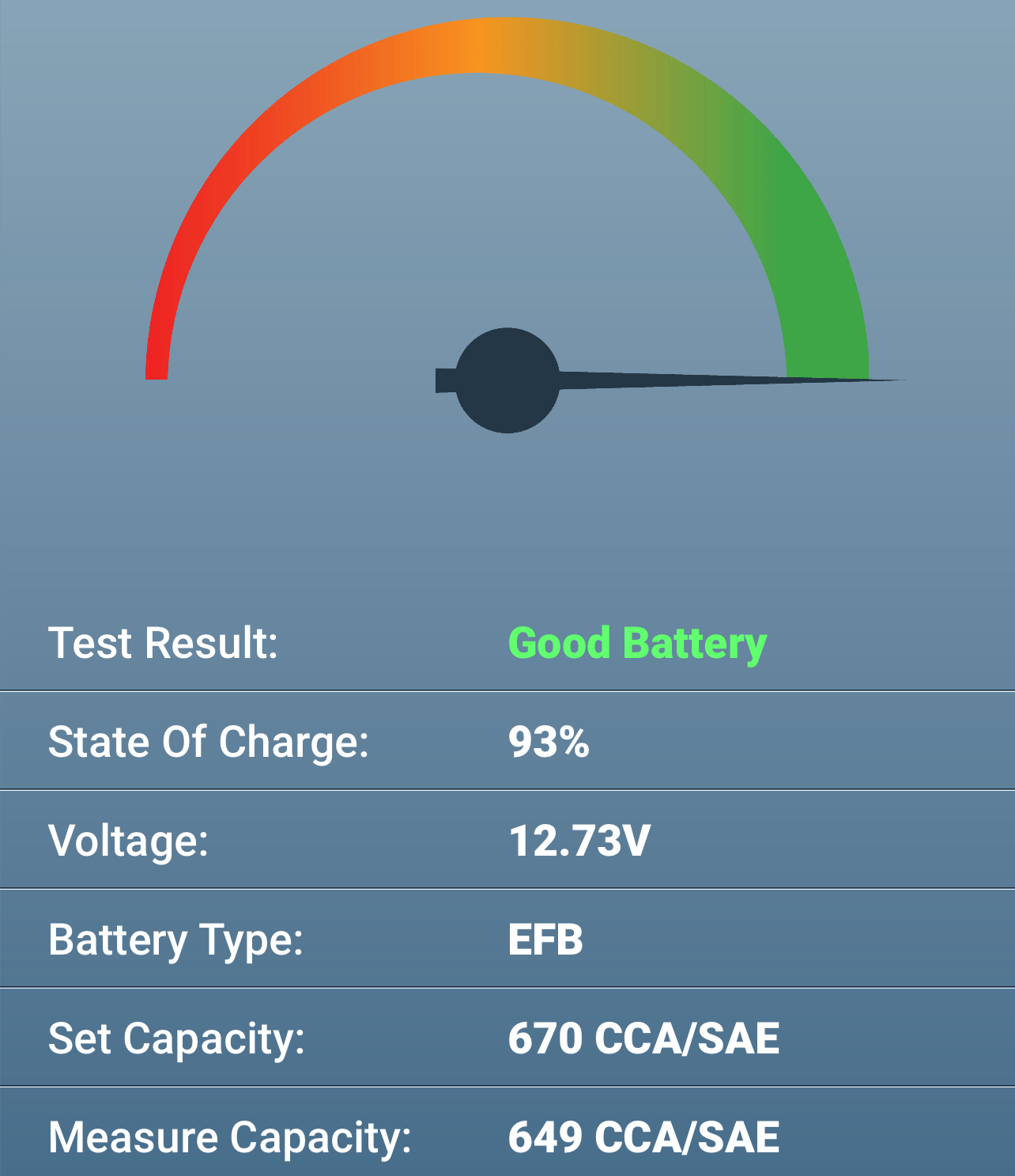
Battery check results can be sent straight to vehicle owners’ phones.
Flat batteries remain one of the leading causes of NRMA roadside assistance call-outs across Australia.
While ageing batteries naturally lose their ability to hold charge, Mr Hill says many breakdowns are caused by preventable issues.
“Common mistakes include leaving headlights or interior lights on, if auto-off is not an option, using electronic accessories while the engine is off, allowing a vehicle to sit unused for extended periods and repeatedly making short trips that do not allow the battery to recharge fully,” he said.
Drivers are also warned against relying on jump-starts as a long-term solution.
A battery that repeatedly requires a jump-start may be nearing the end of its life or may indicate an underlying electrical problem.




Choosing the correct replacement battery is also important. Modern vehicles equipped with stop-start systems and advanced electronic technology often require specialised batteries designed to handle increased electrical demands.
Mr Hill recommends replacing a battery before it fails completely.
“Signs that replacement may be necessary include slow engine cranking, flickering lights, swollen or leaking battery cases and recurring jump-starts,” he said.
“The appearance of a battery warning light on the dashboard usually means an issue with the alternator or charging system.”
Driving habits can also influence a battery’s life. Vehicles used mainly for short urban trips may experience greater battery wear because the charging system has less time to restore power after starting the engine.
While battery replacement costs vary depending on vehicle type, battery technology and installation requirements, motorists are advised not to focus solely on the lowest purchase price.
Mr Hill said cheaper batteries may not provide the reliability, capacity or compatibility required for modern vehicles.
“A battery that fails prematurely can lead to additional repair costs and inconvenience,” he said.
Regular battery testing is one of the simplest ways for car owners to reduce the risk of unexpected breakdowns.
“By identifying declining battery performance early, motorists can avoid being stranded and ensure their vehicles remain reliable for everyday travel and longer journeys,” Mr Hill said.
Battery health checks in Moree – free to NRMA members – can be booked by phoning the NRMA on 131 111. A charge applies for non-members.






0 Comments