




















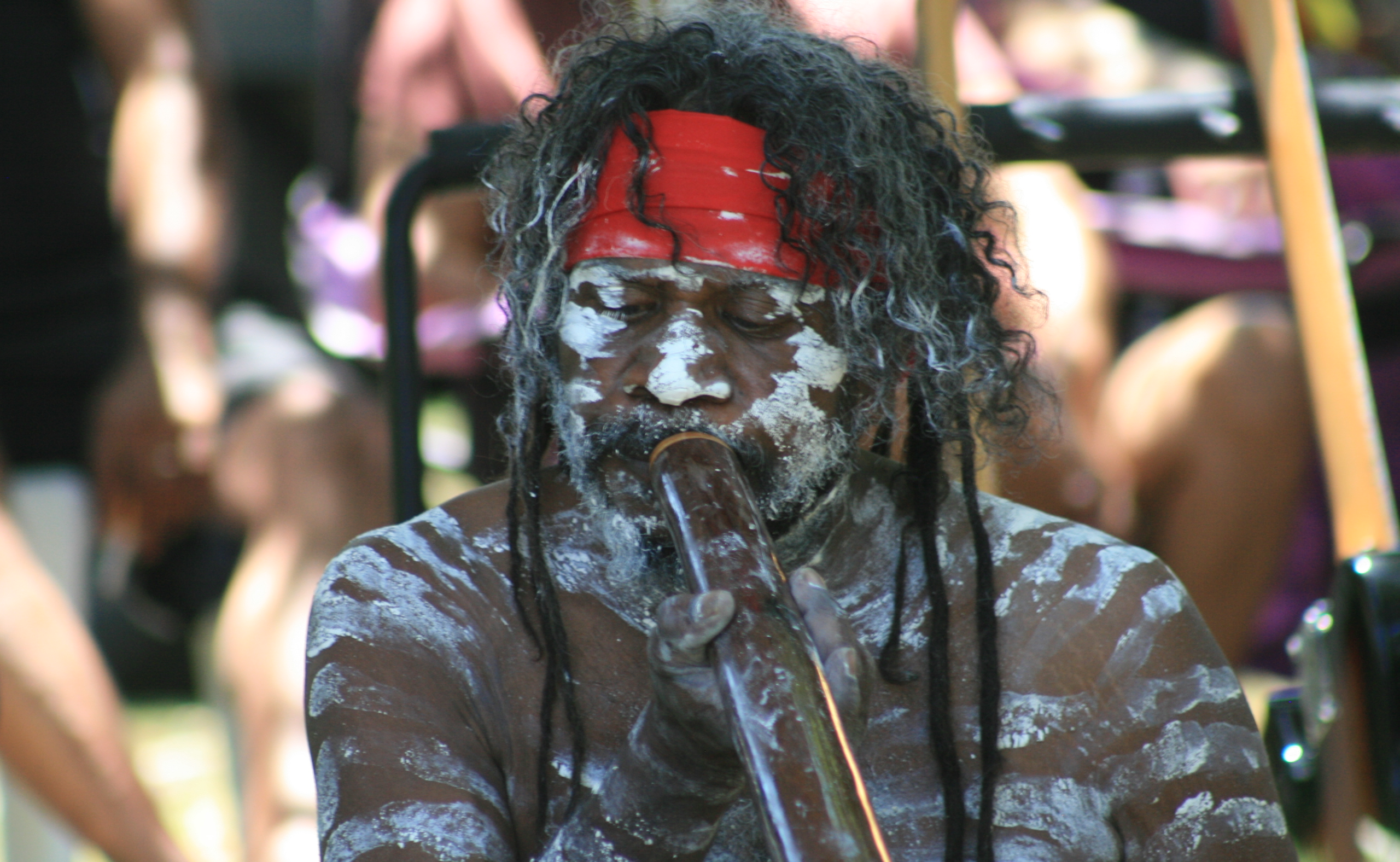
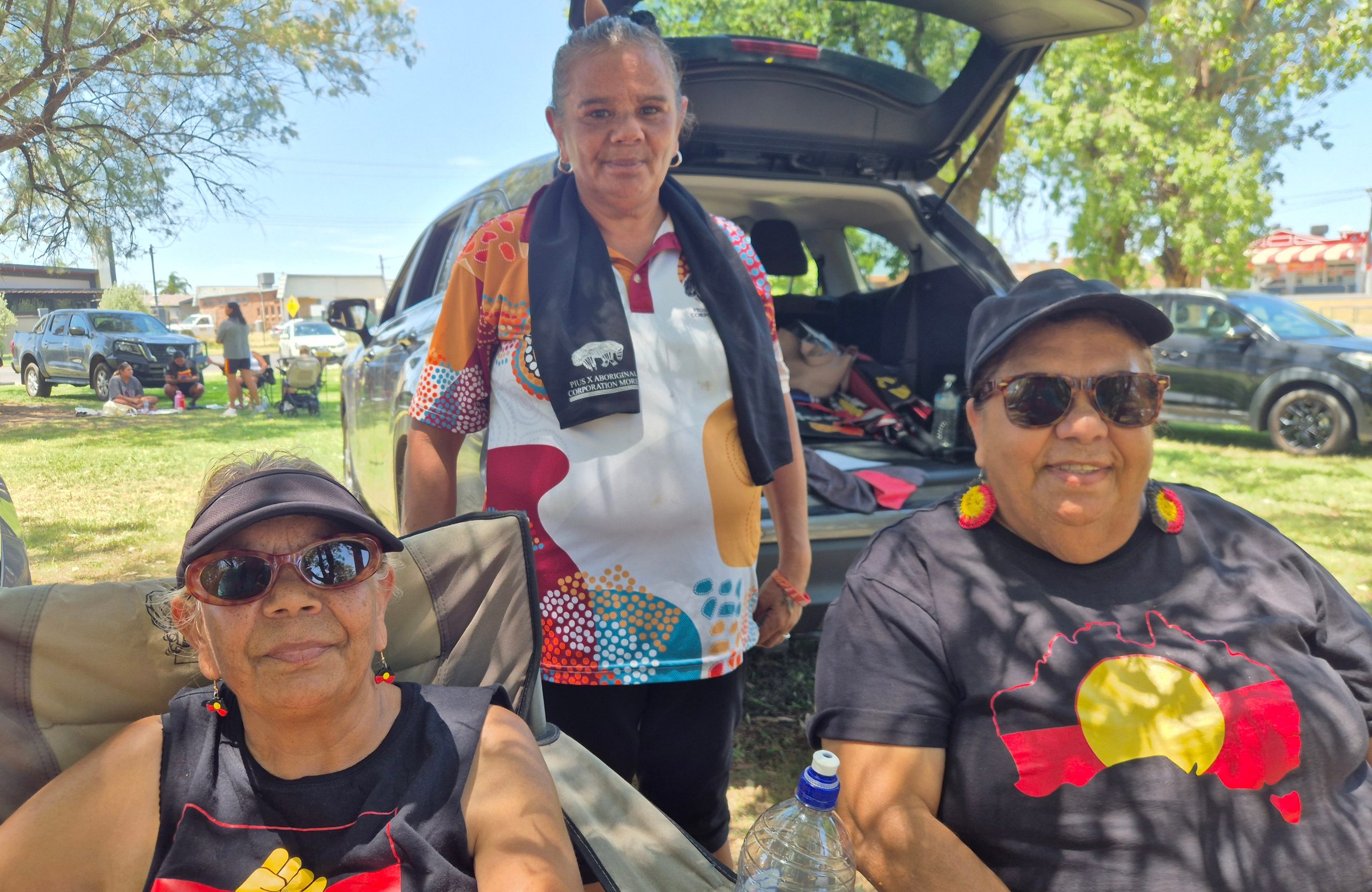
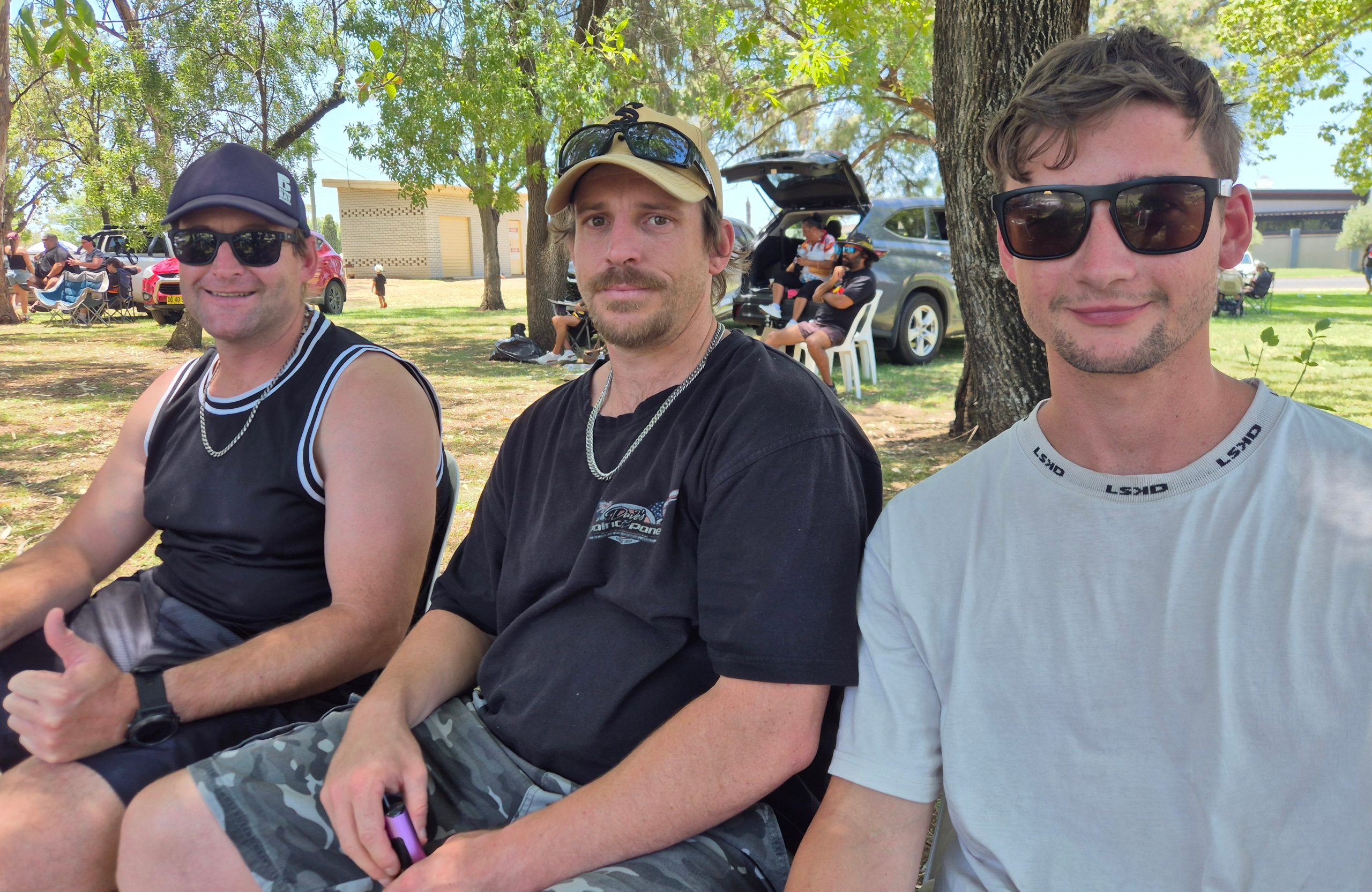
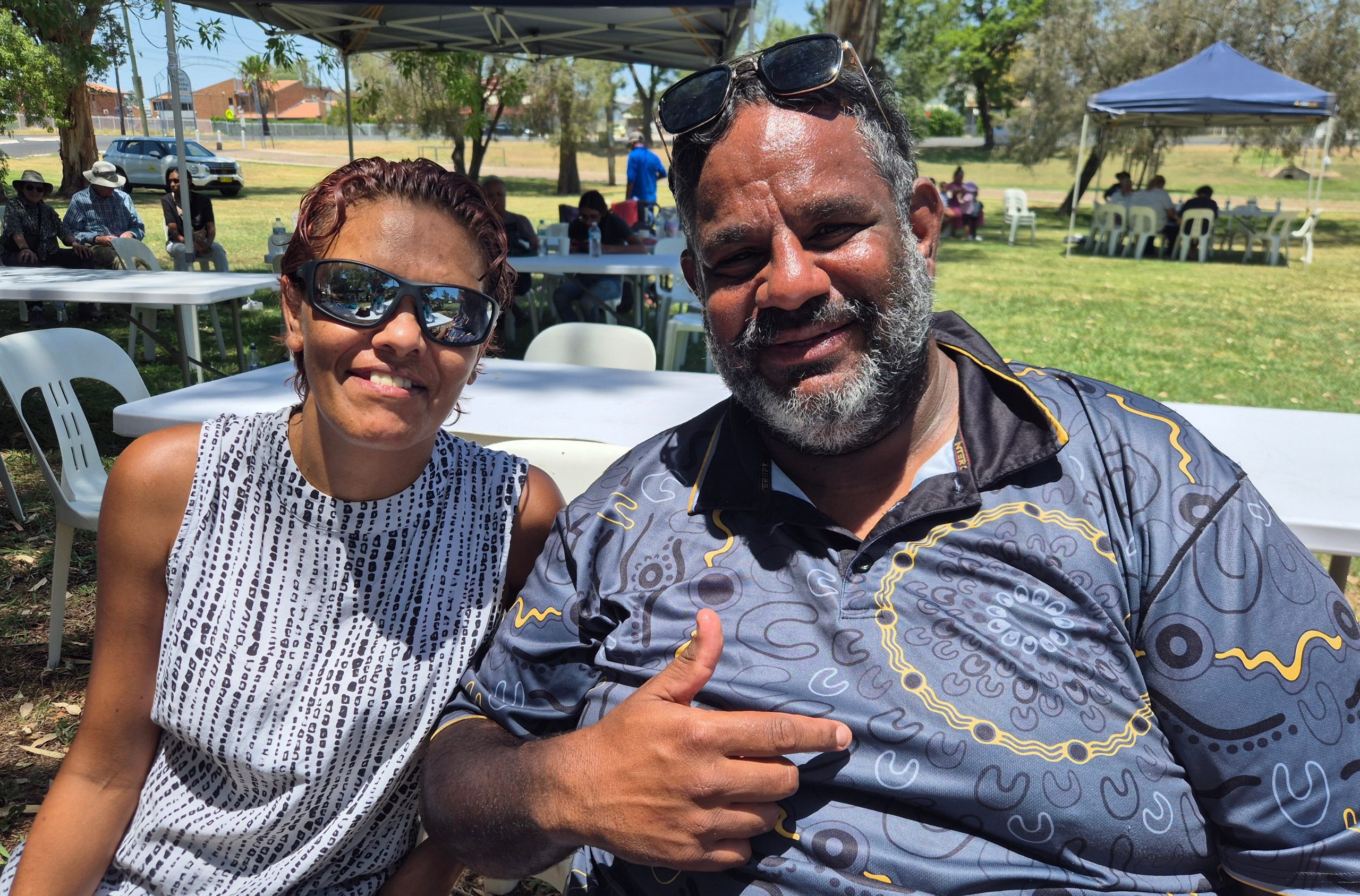
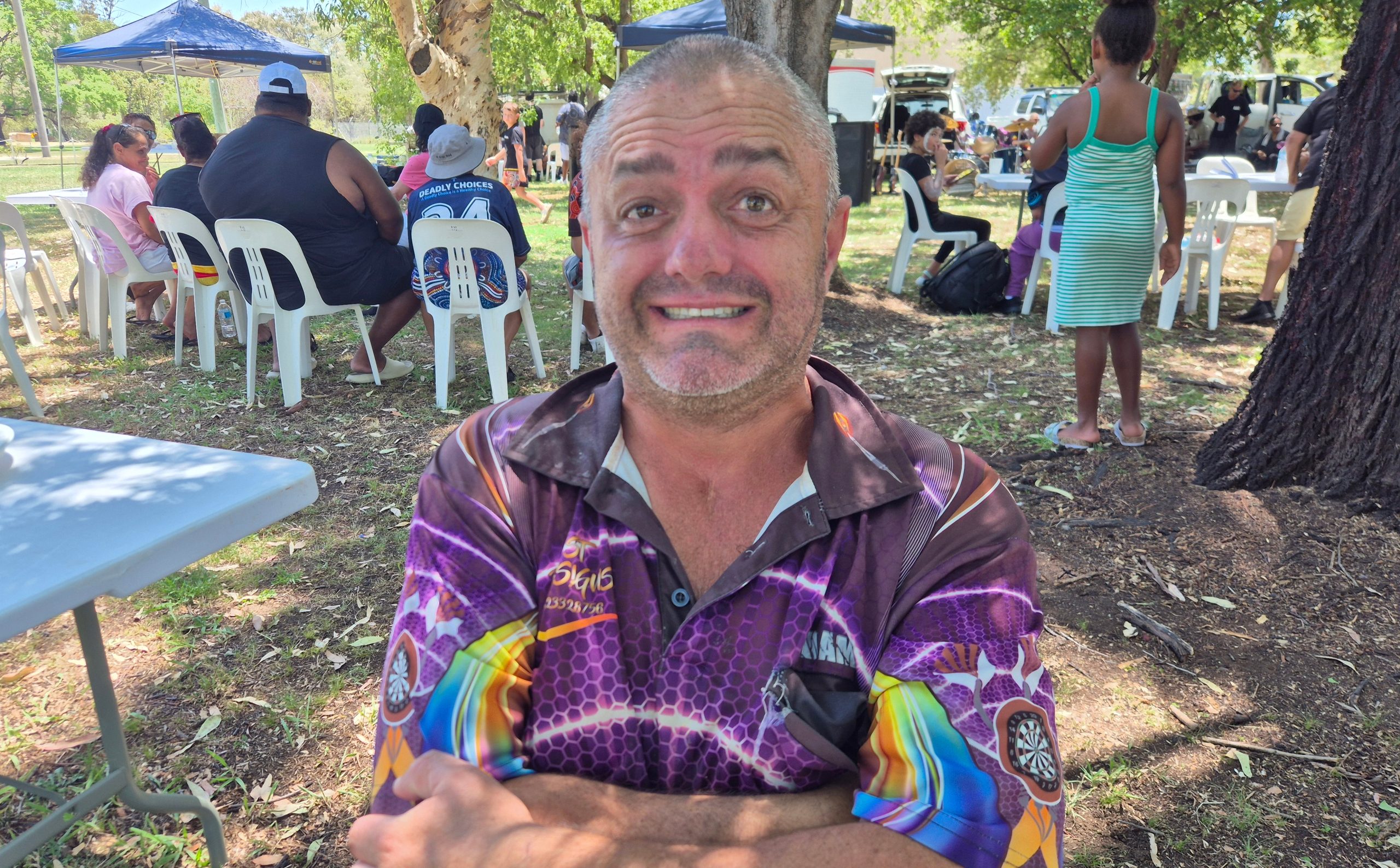
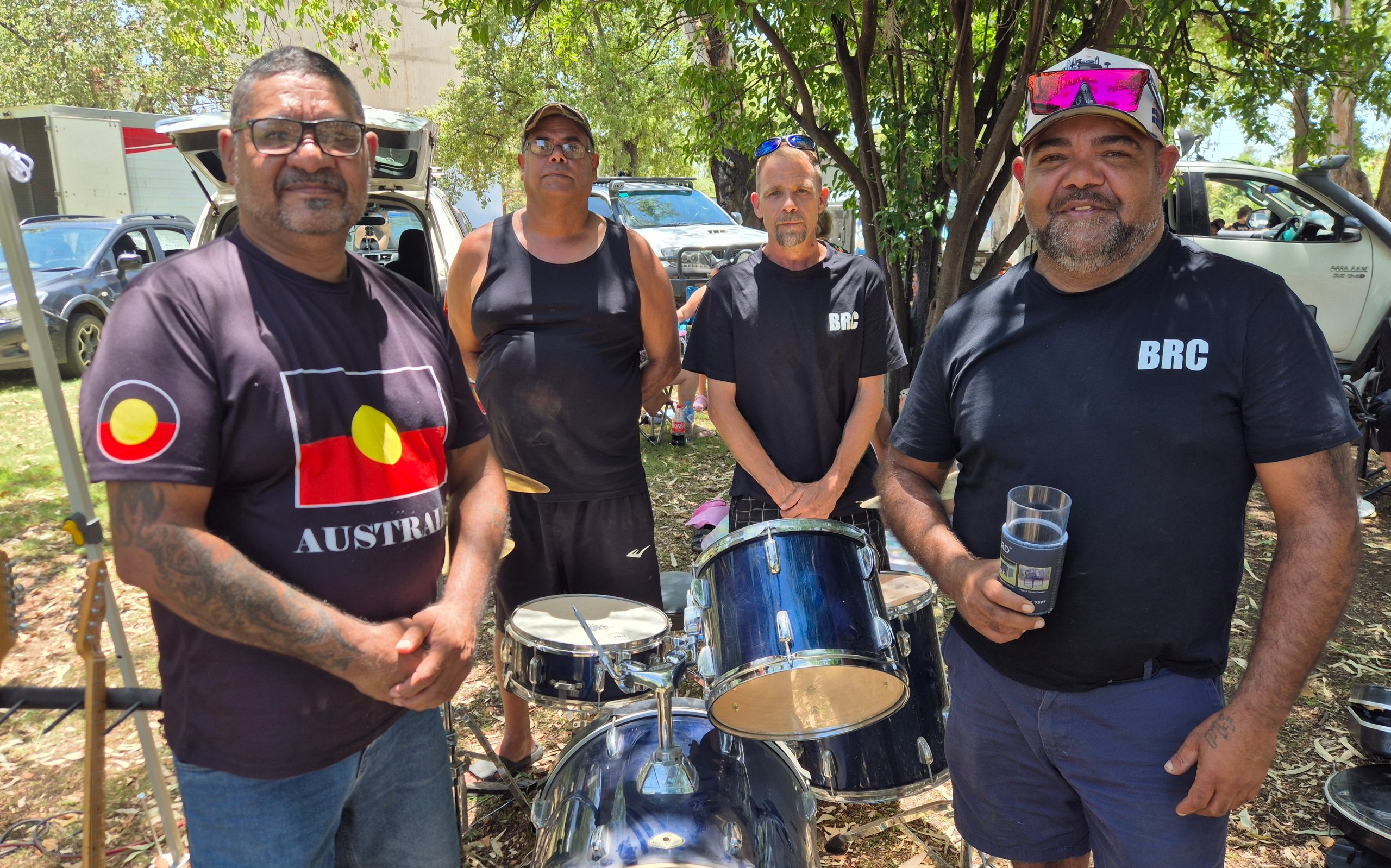
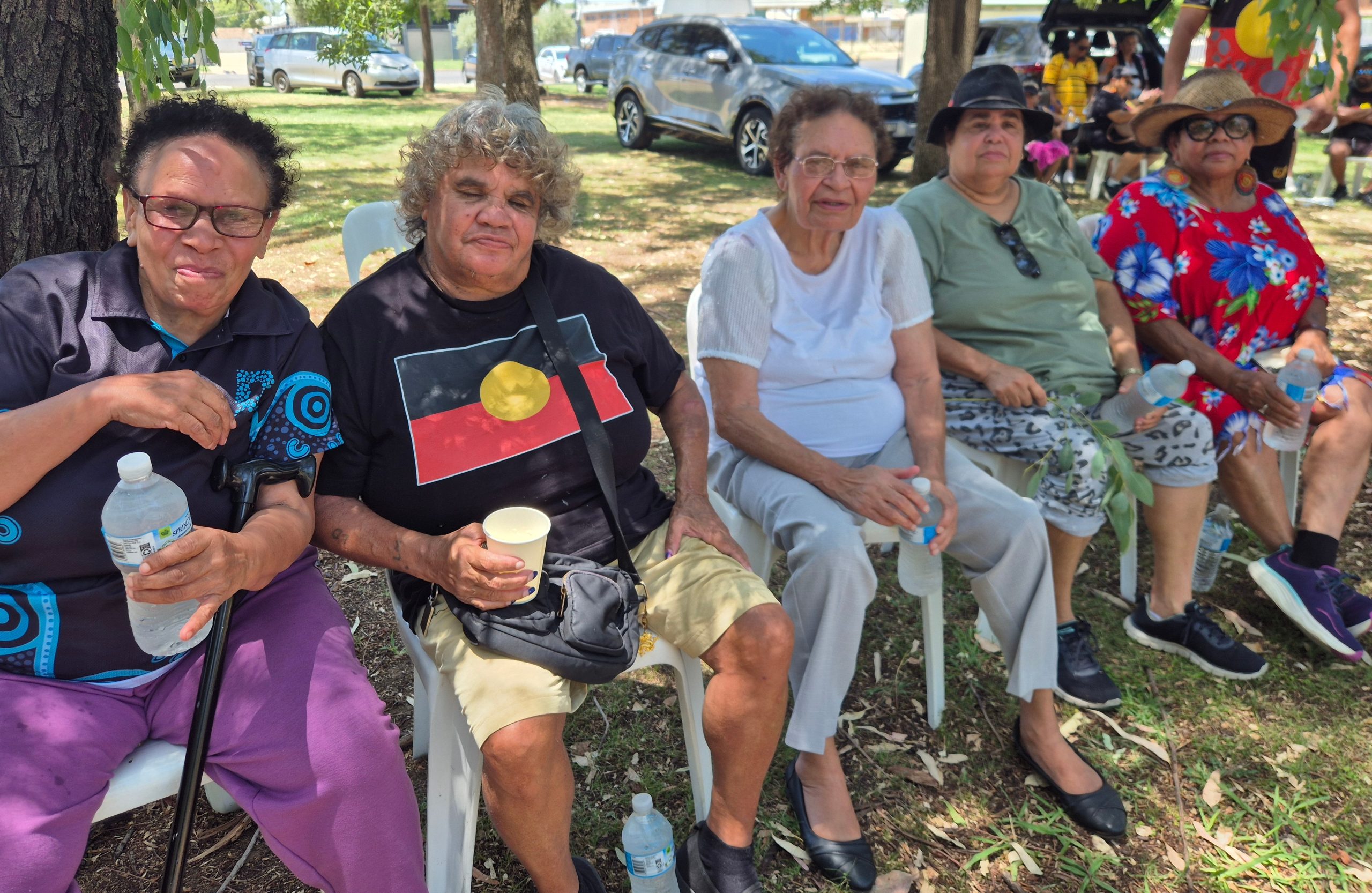
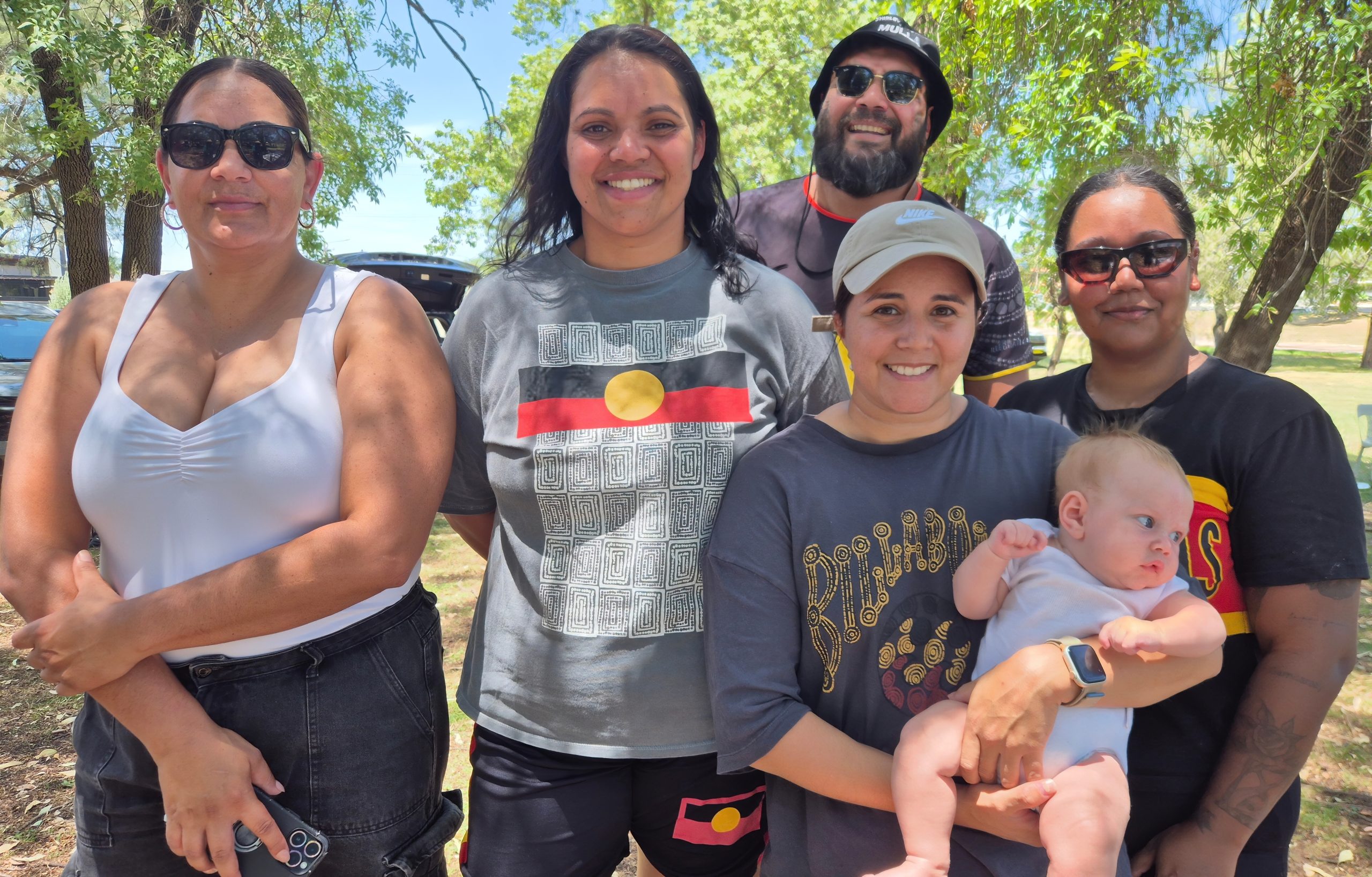
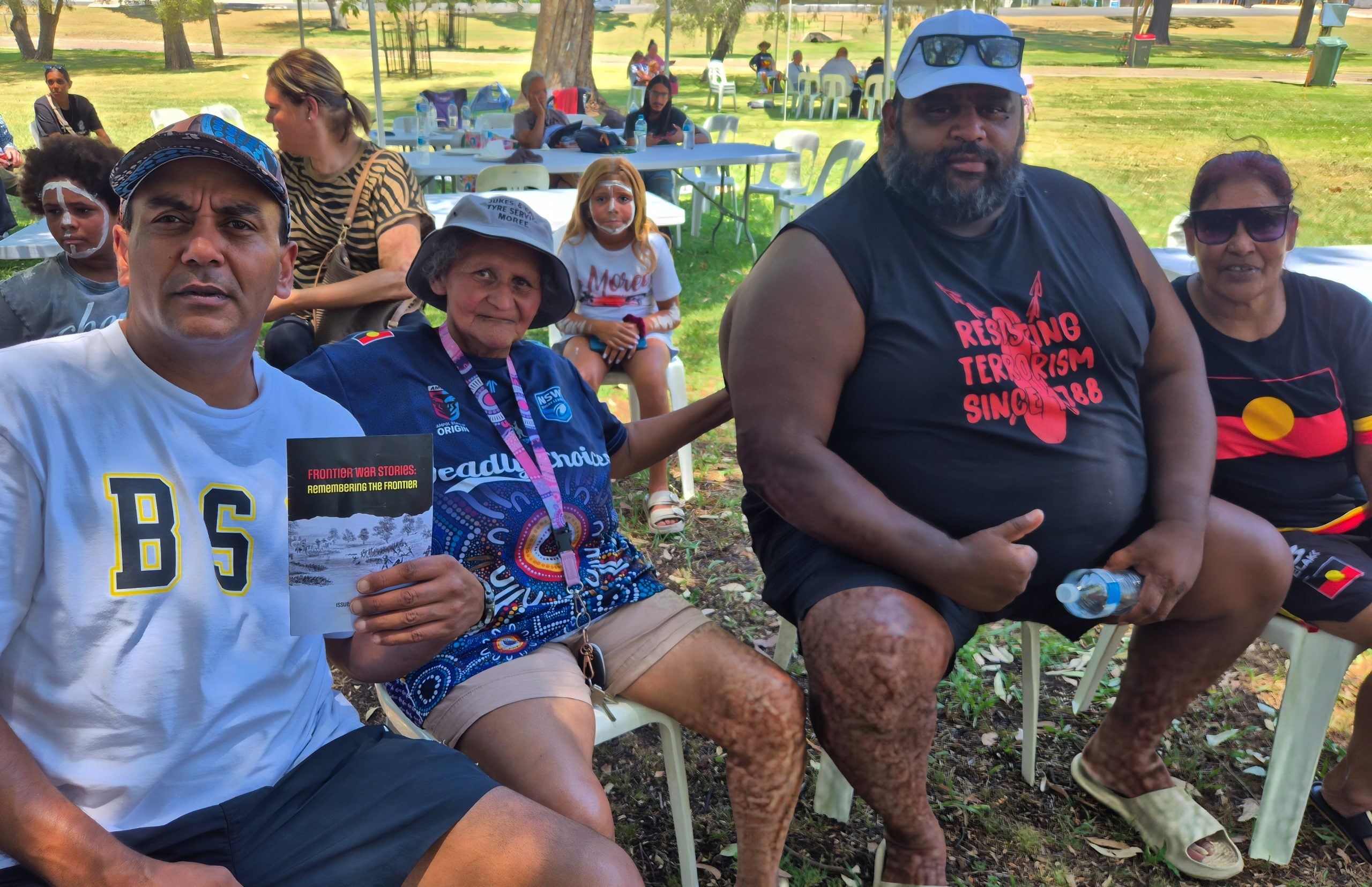
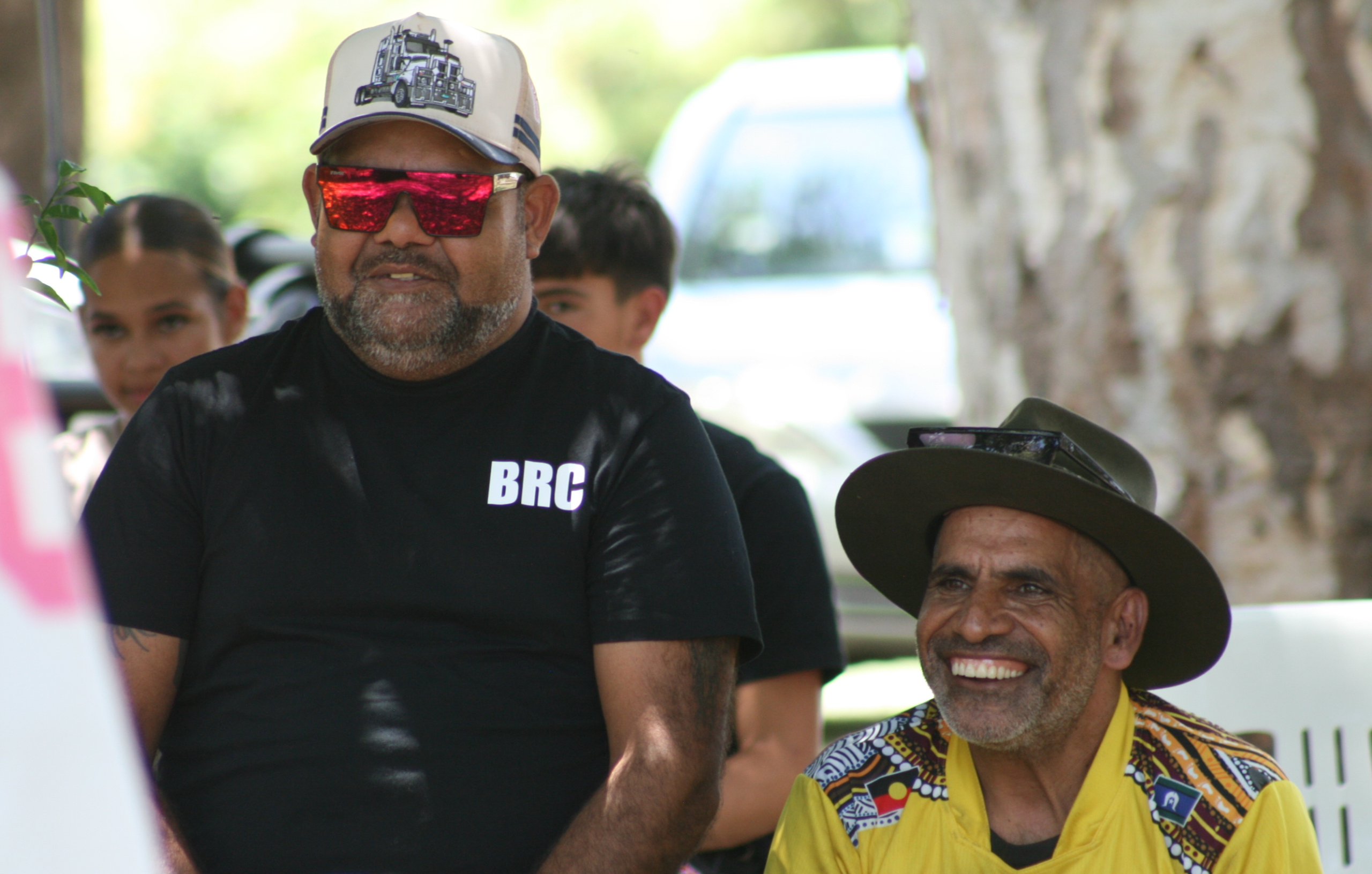
A large crowd braved sweltering hot weather on January 26 to observe Survival Day and the anniversary of the Waterloo Creek massacre, with First Nations communities and supporters gathering at Jellicoe Park in Moree.
Survival Day rallies, marches, cultural events and community-led ceremonies were held across the country, with a unified call for greater recognition of Indigenous history and rights.
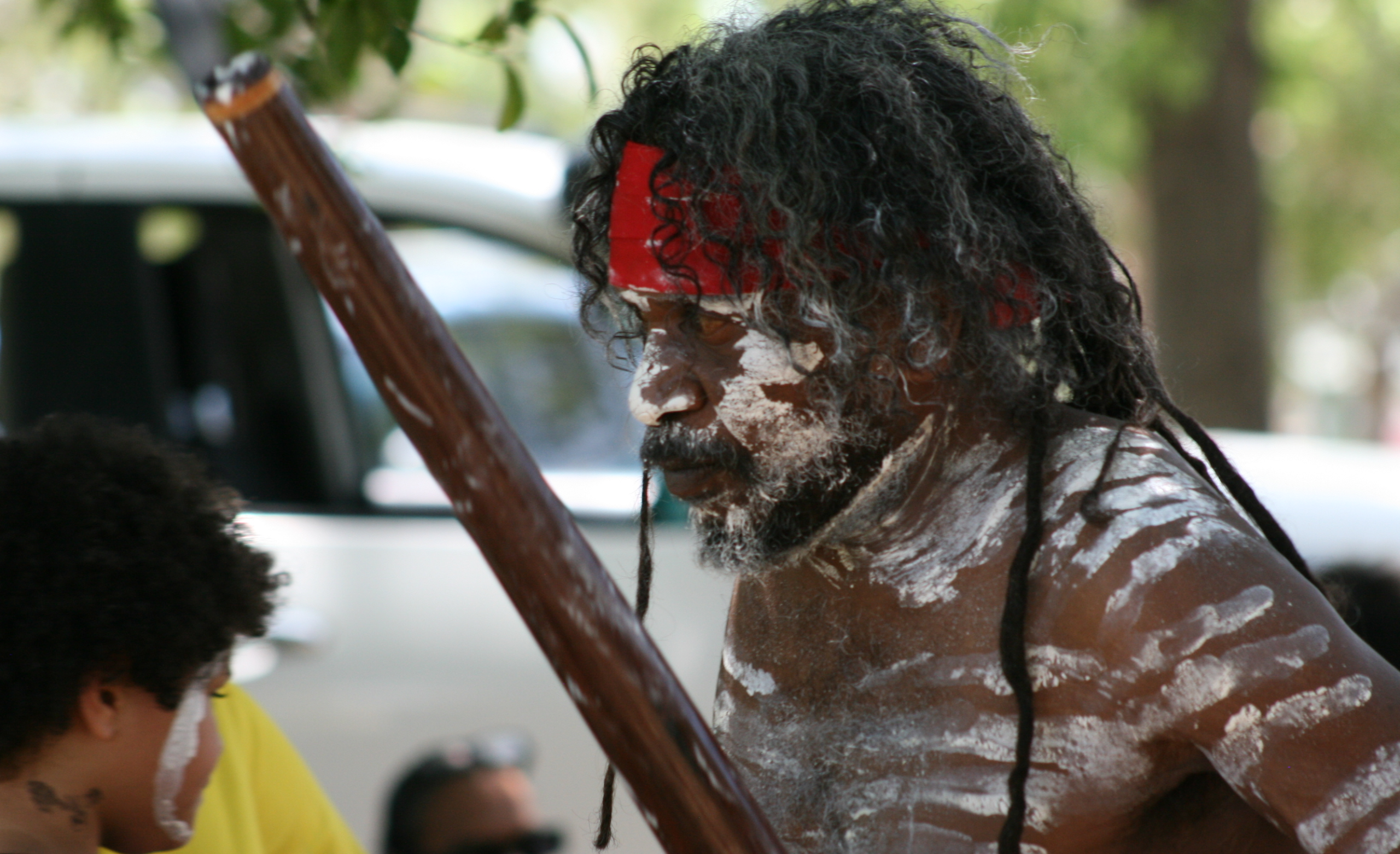
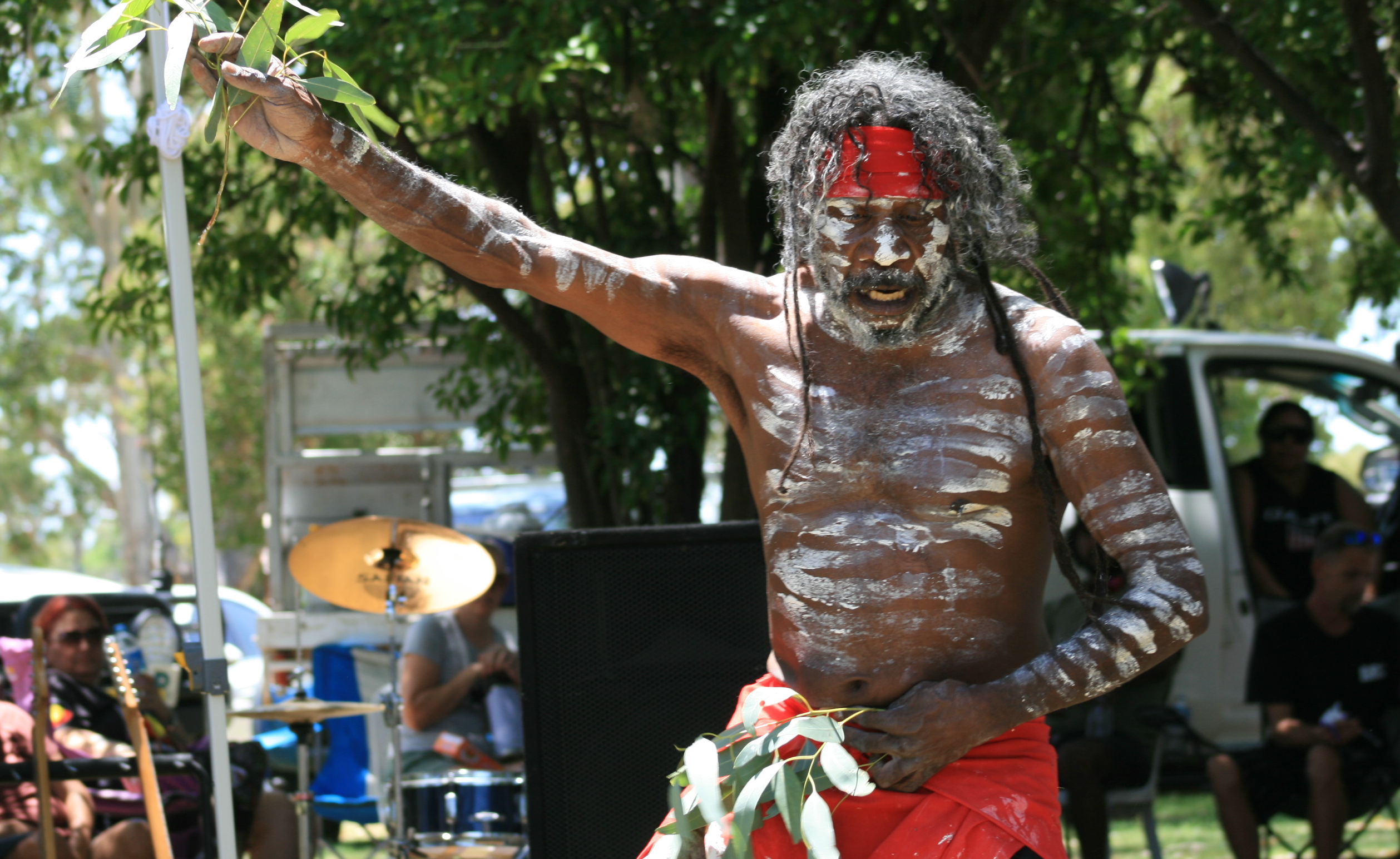
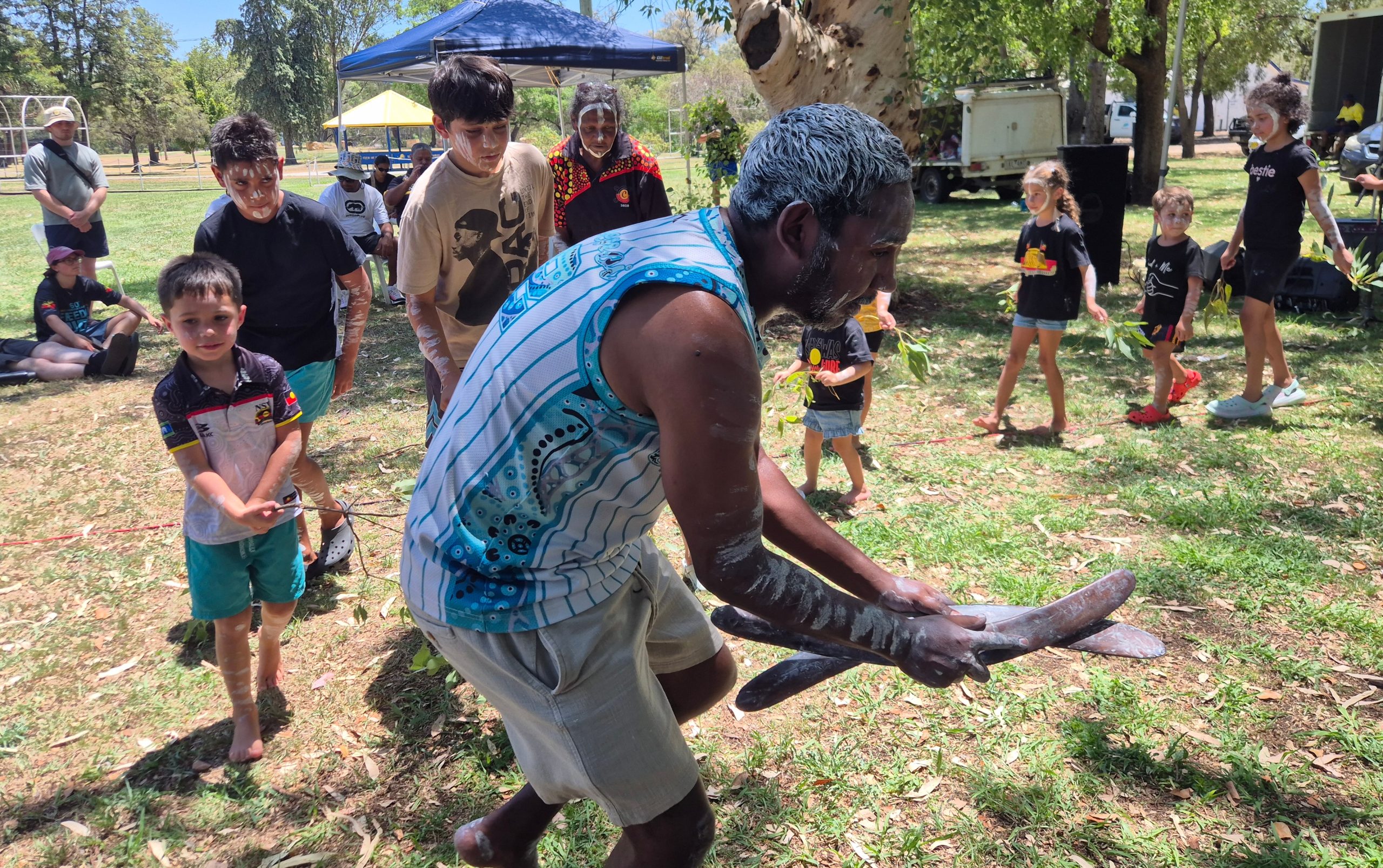
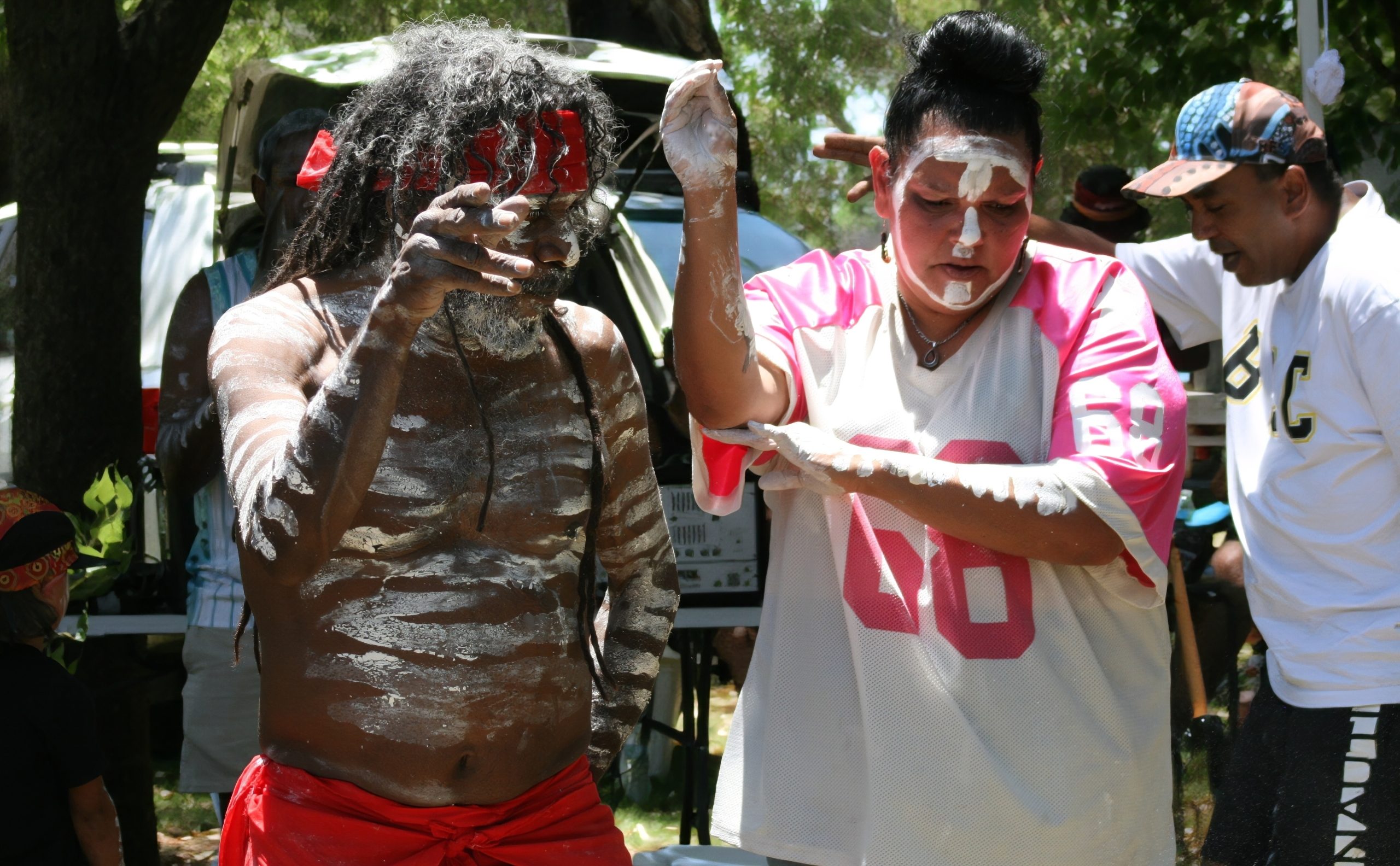
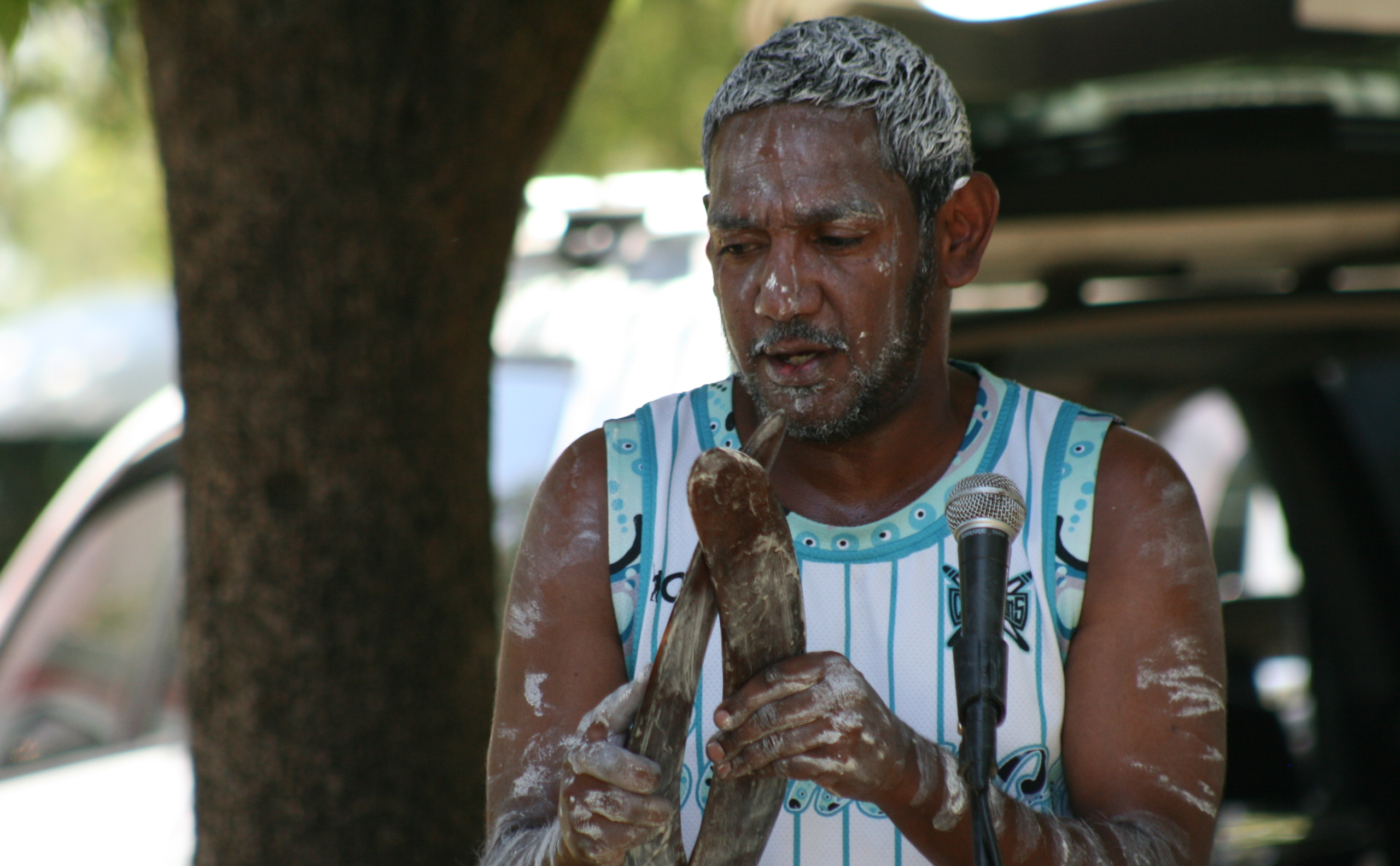
In Moree, speeches by local Elders, including event organiser Bronwyn Spearim, were followed by music and dance performances.
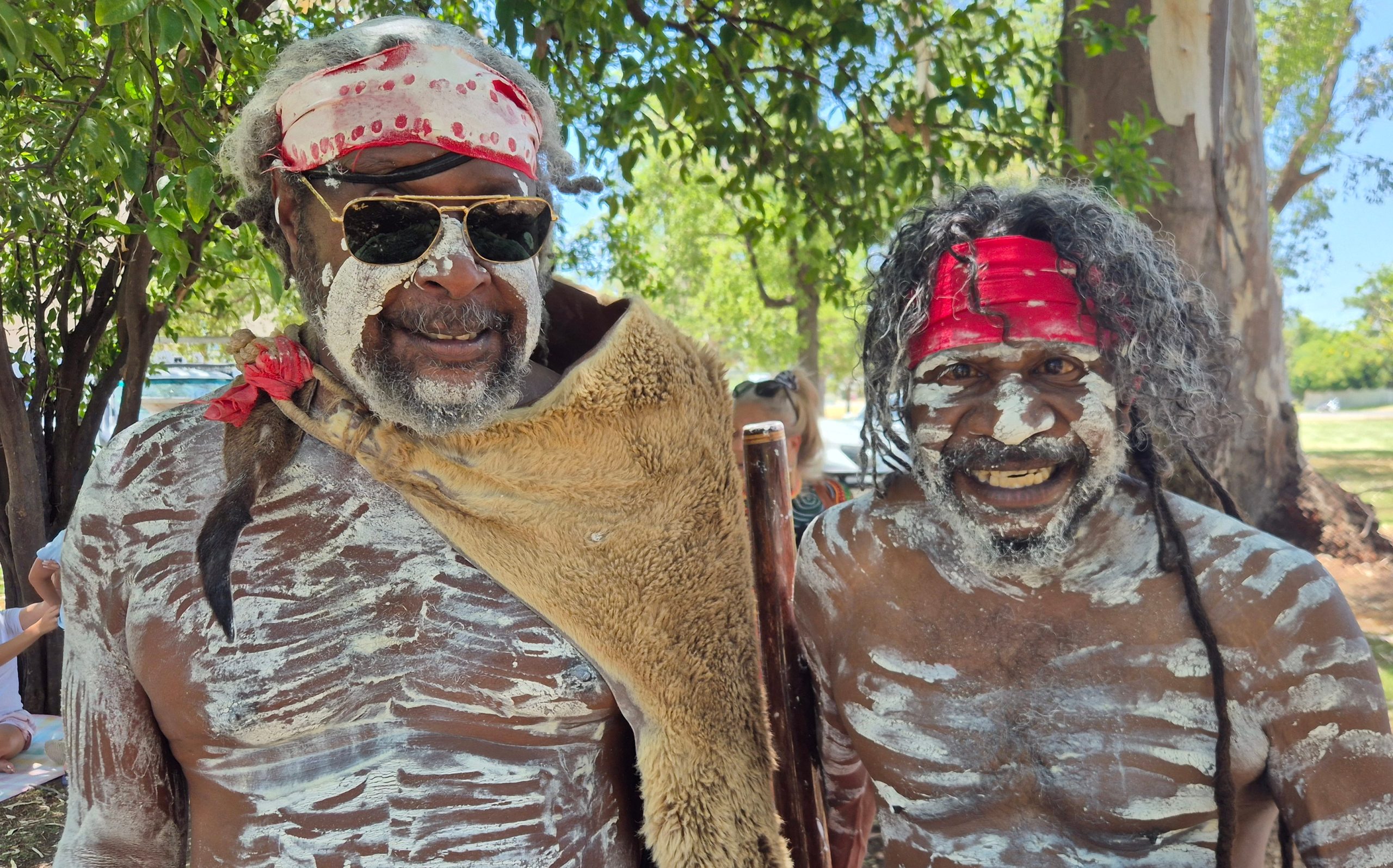
The Survival Day observance in Moree, which began with a march from Moree Court House to Jellicoe Park, provided a platform for cultural expression, with traditional smoking ceremonies, songs and music, and storytelling.
For the Moree district, the day also holds major significance as the anniversary of the Waterloo Creek massacre, known regionally as the Slaughterhouse Creek massacre.























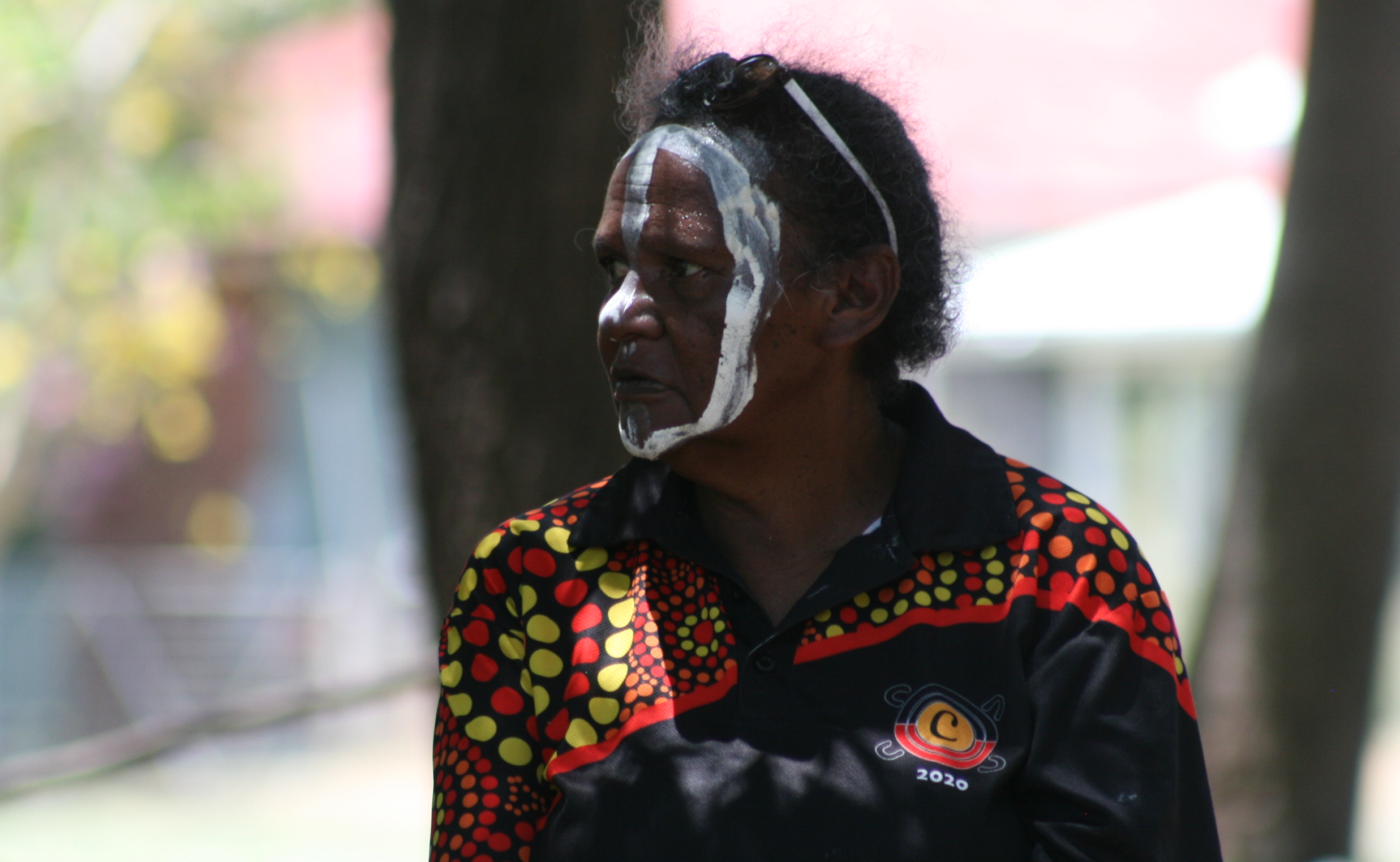
The shocking event on January 26, 1838, was a violent confrontation between British colonial forces and Gomeroi people near Waterloo Creek, east of Moree, during the expansion of pastoral settlement in the Liverpool Plains and New England regions.
The exact number of Aboriginal people killed is unknown. Contemporary reports range from several dozen to more than 100, but no official death toll is recorded.
No-one was ever brought to justice for the multiple deaths.
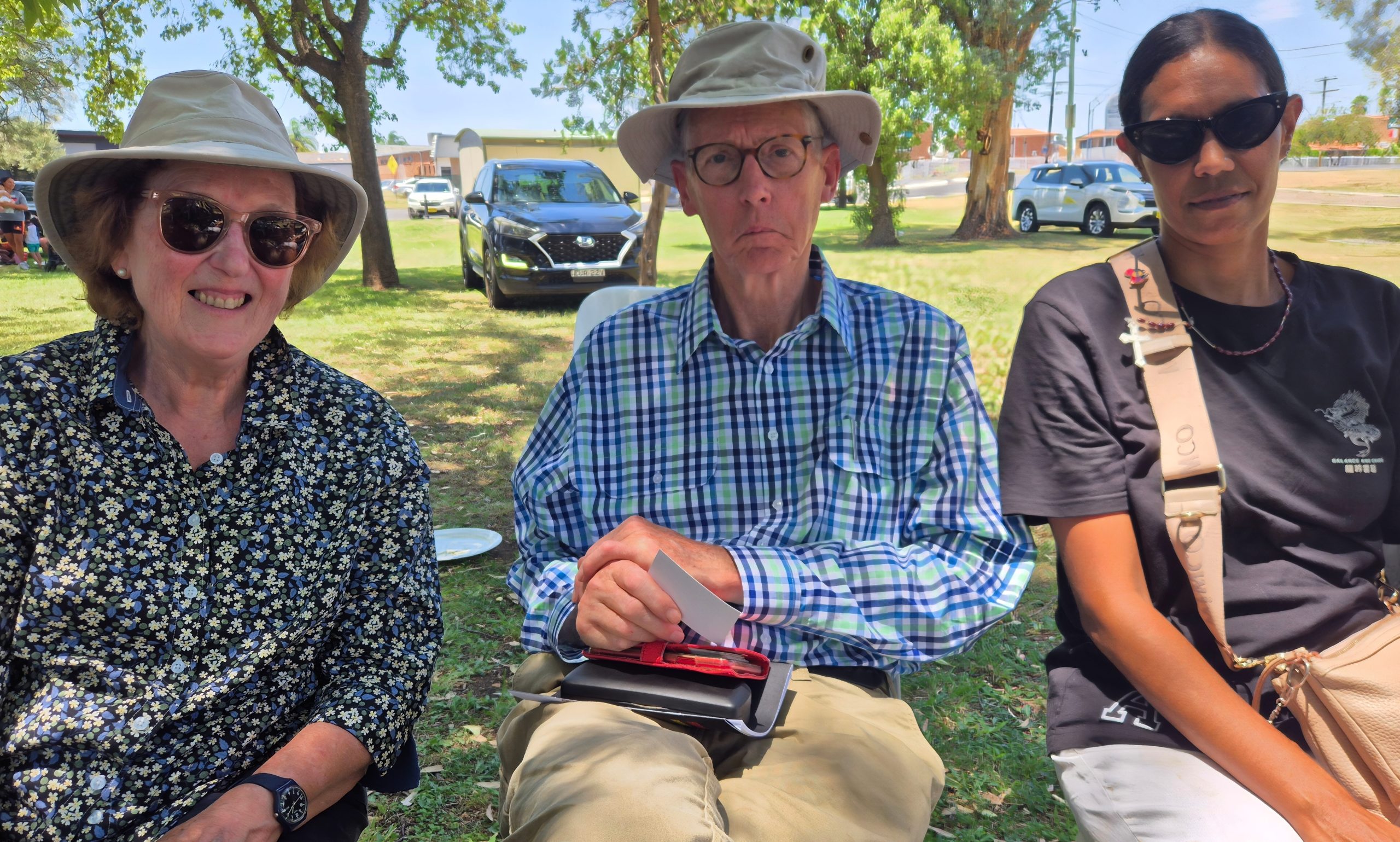
Moree visitors Geoff and Carol Langford, from Canberra, attended the Jellicoe Park event.
Mr Langford, a Visiting Fellow and PhD student at the Australian National University’s Centre for Heritage and Museum Studies, has lived and worked in Aboriginal communities for nearly 40 years.
“Carol and I joined the Survival Day march and gathering at Jellicoe Park,” Mr Langford said.
“We want to acknowledge the Aboriginal Elders who organised the day, and the support of Moree Plains Shire Council in making it possible.
“At the park, people were welcomed in the heat with water and food prepared by volunteers,” he said.
“Kids danced with enthusiasm, and the atmosphere was open and communal, rather than staged.
“As non-Aboriginal participants, we were made very welcome.
“It was a good day of which to be a part. We hope the council continues supporting Moree Survival Day and events like this, and we look forward to attending again next year,” Mr Langford said.










0 Comments