


















NEW science has revealed some of the Gwydir Wetlands’ iconic coolabahs and river red gums are up to 500 years old.
The joint NSW DCCEEW and University of Newcastle study is the first of its kind in the state, providing a rare long-term record of how changing water flows and climate have shaped the floodplain over centuries.
Using a combination of dendrochronology and radiocarbon “bomb-pulse” dating, expert analysis has unlocked the age and growth history of floodplain eucalypts, a group of trees long considered too anatomically complex for reliable ageing.
Key findings of the study include coolabah and river red gums in the Gwydir Wetlands can live for at least 400-500 years, far older than previously documented for floodplain eucalypts in New South Wales.
Growth ring patterns reveal clear hydrological sensitivity, tracking past drought, flooding and water availability and distinct sudden, large influxes of new trees, known as ‘mass recruitment events’, in the 1500s, 1600s, 1800s and early 1900s, corresponding to major environmental and hydrological changes.

























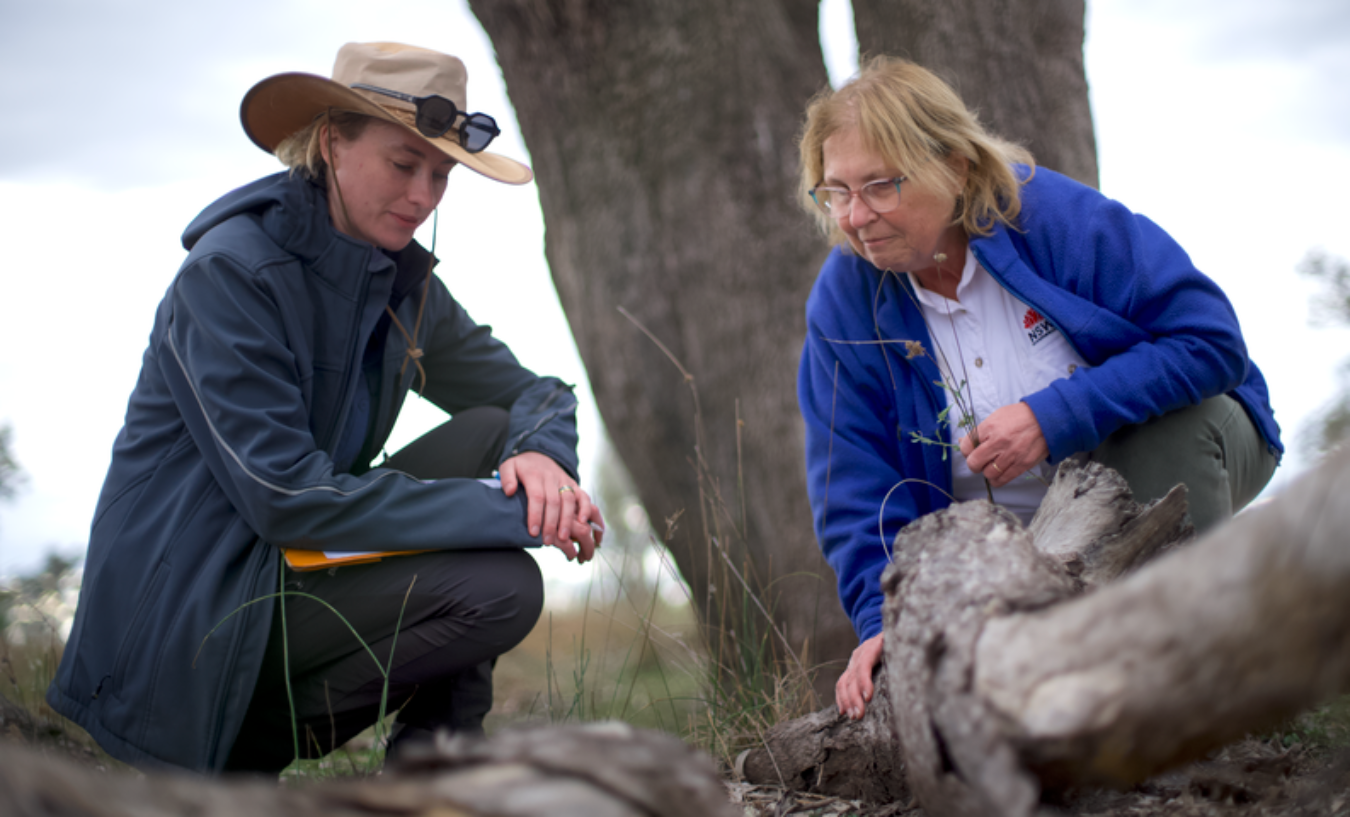
Using a combination of dendrochronology and radiocarbon “bomb-pulse” dating, expert analysis has unlocked the age and growth history of floodplain eucalypts.
These results show the Gwydir Wetlands’ trees hold a detailed ecological history of how altered water flows, land-use change and climate variability have influenced the structure and resilience of floodplain forests.
This new research gives land and water managers a rare long-term dataset to guide environmental watering, conservation planning and the protection of these sensitive ecosystems into the future. The results will contribute to the NSW Government’s Environmental Outcomes Monitoring and Research Program report and may pave the way for similar studies across other major river systems.
NSW DCCEEW executive director water knowledge and planning, Mitchell Isaacs, said the trees have lived through centuries of changing water regimes.
“Their growth patterns give us a long-term perspective on how the Gwydir floodplain has responded to droughts, floods and shifts in land and water use,” Mr Isaacs said.
“This important evidence strengthens the department’s ability to manage planned and held environmental water and protect these precious woodlands into the future.”
University of Newcastle Associate Professor, Dr Danielle Verdon-Kidd, said the study is a major step forward for Australian dendrochronology.
“Eucalypts are notoriously difficult to analyse, but combining radiocarbon dating with detailed visual ring assessment has uncovered clear age structures and hydrological signals which we previously hadn’t been able to find,” she said.
“This groundbreaking project has shown that floodplain eucalypts hold tremendous potential for understanding past climate and water conditions in parts of Australia where long-term records don’t exist.”
University of Newcastle Honours researcher, Annabell Hanthorn, said the research opens the door to reconstructing climate histories for semi-arid regions in Australia that face the greatest threats in a changing climate.
“It’s incredibly exciting to see these trees reveal how rainfall and water availability shaped their growth over hundreds of years,” she said.










0 Comments