


















CONSTRUCTION of the Good Earth Green Hydrogen and Ammonia Project west of Moree will officially begin on Monday, April 13, with the green light given this week from the NSW Department of Planning, Housing and Infrastructure.
The construction launch marks a major milestone for a project that will help strengthen regional energy security and support Moree’s role in the clean energy transition.
The GEGHA Project, about a 30-minute drive south-west of Moree, is a joint venture between Hiringa Energy and Sundown Pastoral Company.
Once operational in early 2027, the plant will produce low carbon hydrogen and ammonia using renewable electricity, reducing reliance on imported fossil fuel products and improving resilience at a time when fuel prices are soaring and supply is under pressure.
The plant will produce up to six tonnes of hydrogen per day for use as a fuel for ‘hydrogen-ready’ vehicles, as well as use as a feedstock to produce ammonia, an agricultural fertiliser.



















Planning and engagement lead, Ian Spence, said GEGHA’s fuel and fertiliser production won’t be tied to overseas markets.
“Supply and price will be independent from global pressures, as was highlighted last month when A Current Affair visited the GEGHA site as part of an investigation into developing security and energy sovereignty in the agriculture sector,” Mr Spence said.
“Once operational, the project will remove at least 64,000km of loaded dangerous goods transportation from New South Wales roads with a further 64,000km of return empty roads annually – a saving of at least 40,000 litres of diesel every year.”
Recent work on-site, led by project manager Joe Cumming, has focused on the 27MW Wathagar Solar Farm Stage 2, including a 30MWh Battery Energy Storage System, which is currently in the final stages of construction.
“It is expected the solar farm will be commissioned in May and operational from June,” Mr Cumming said.
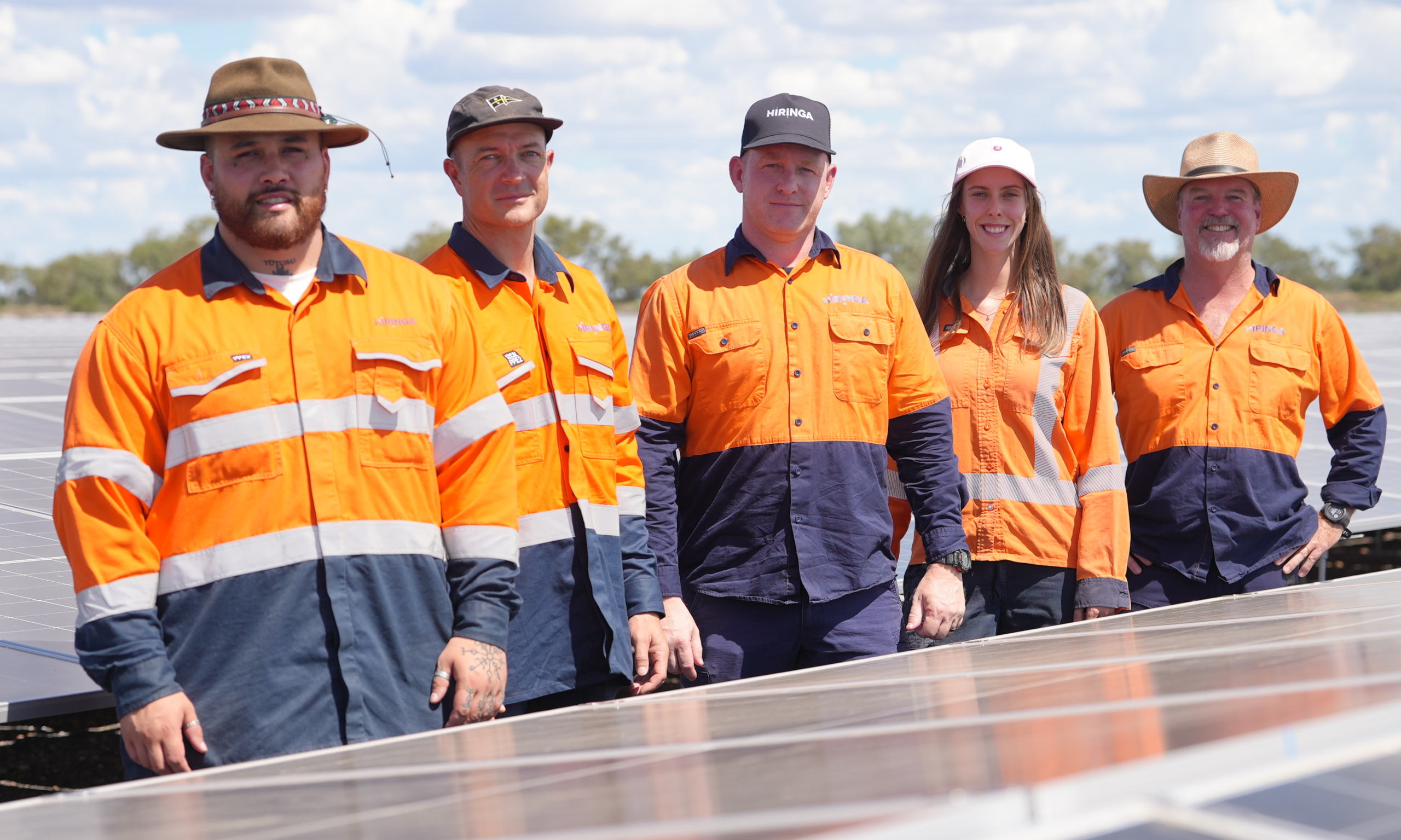
Part of the GEGHA team (from left) WHS lead Josh Guetta, engineering lead Scott Hodges, production and packages manager Stewart Anderson, project engineer Rachel Hopkinson and project manager Joe Cumming.
The next phase of construction will involve the GEGHA plant.
“Members of the community may notice an uplift in traffic going to and from the site, from now to the end of the year,” Mr Cumming said.
“In total, there will be 19 oversized load deliveries travelling through Moree between May and October, with 16 of these expected to travel with standard ‘oversized load’ signage.”
Three large deliveries of ammonia storage vessels are scheduled for September.
“These will require temporary traffic management, including short contraflow arrangements at Moree’s northern Newell Highway and Gwydir Highway intersection,” Mr Cumming said.




Traffic impacts will be limited to 10 minutes or less at a time, with specific dates, timings and routes shared when vehicle movement arrangements have been finalised.
“There will also be a small increase in vehicle traffic on the Gwydir Highway, including material and equipment delivery and construction staff movements,” Mr Cumming said.
Deliveries will use either Watercourse Road or the Wathagar Gin entry directly off the Gwydir Highway.
An upgrade of the Gwydir Highway entry at Wathagar Gin is scheduled for October to December this year.
“This will likely involve localised traffic controls – further specific details will be communicated once they are confirmed,” Mr Cumming said.
Hiringa is working closely with key stakeholders and local authorities to manage safe transportation and to minimise impacts on the community throughout the build.
For updates, visit the GEGHA project website at Good Earth Green Hydrogen and Ammonia Project
or get in touch with the project team via [email protected].






0 Comments