























FOR more than 100 years, Moree picnic races have stood as one of the great social and sporting events of north-western New South Wales.
What began as rough-and-ready bush race meetings on dusty paddocks in the 1800s, evolved into one of the best-known picnic race meetings in New South Wales.
Through droughts, floods, wars, fires, economic downturns and changing times, the Moree picnics survived because they have always been far more than a sporting event – they are a social institution.
The birth of racing in Moree is deeply entwined with the history of the district and dates back almost to the birth of the town, officially gazetted in 1862.
In the 1860s, the town’s population was small and the district was still in its pioneering years, but horse-racing had already become an important part of community life.





























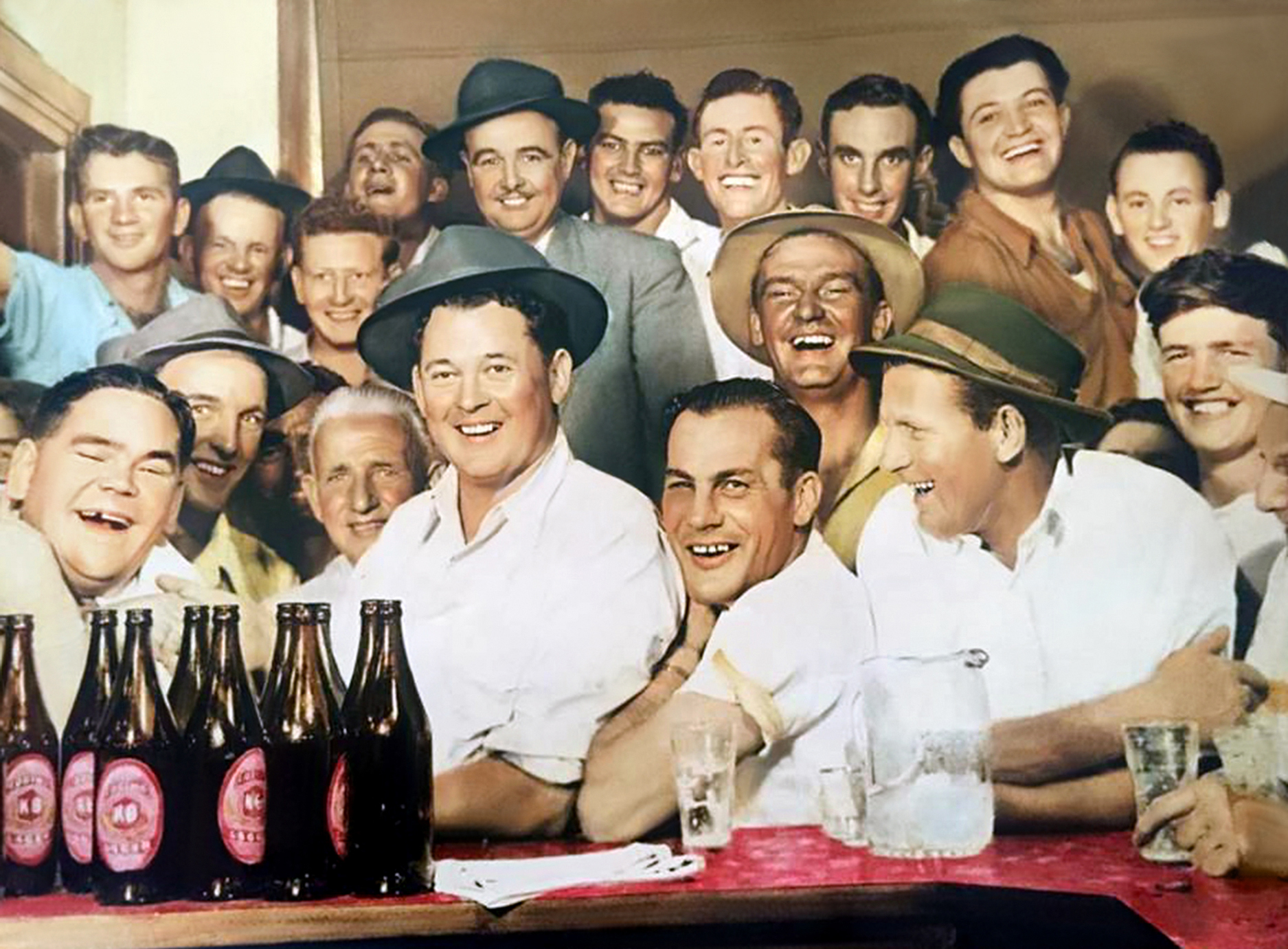
A classic image of some of Moree’s well-known racing fraternity in the 1950s, taken at the Criterion Hotel. In the middle is Eric Jurd, trainer of picnic cups’ king Mulgate.
The early days
In those early decades, race meetings sprang up across the north-west. Tiny settlements and isolated stations staged meetings, and outback pubs and shanties generally has a racetrack only a furlong or two away.
Regionally, Boomi, Pallamallawa, Croppa Creek, Boggabilla, Terry Hie Hie, Spring Plain, Garah, Gurley, Rowena, Bullarah and Mallawa hosted race days at various times.
The gatherings were often organised by landholders and civic leaders to raise money for hospitals, churches, memorial halls and patriotic causes.
They were, and still are, the social glue of the district.
Race meetings helped fund local institutions and community projects throughout the region and, during wartime years, raised thousands of pounds for patriotic funds, wounded soldiers and war widows and their families.
Early race meetings in Moree were primitive but colourful affairs.
Horses travelled long distances by rail, on foot or by float. Spectators arrived by horseback, sulky, buggy or wagon.
Later, fleets of motor cars would line racecourses across the district, boots laden with food and beverages.
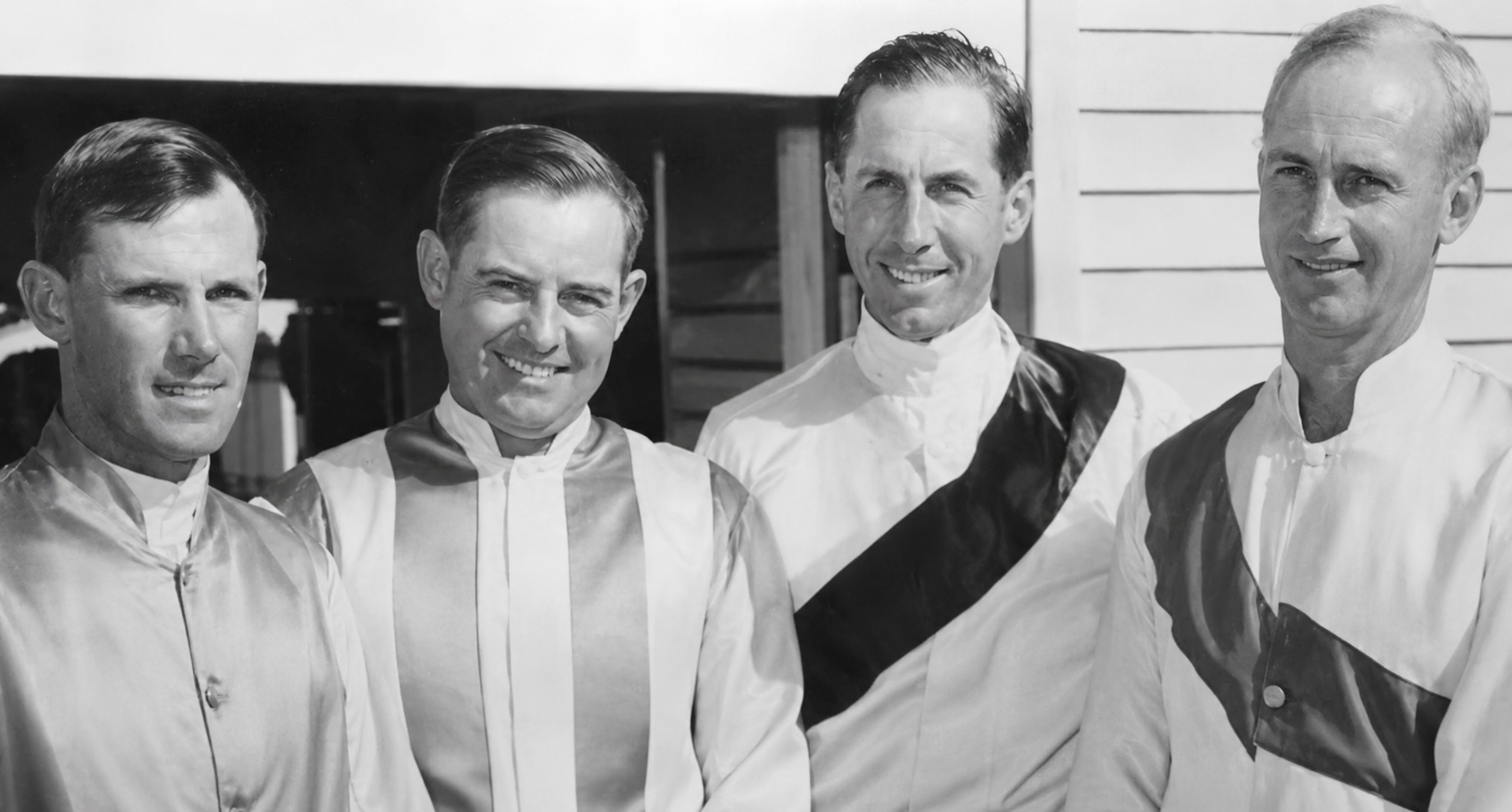
Local picnic owner-riders in 1962 (from left) Brian Rouse, Frank Moore, Alan Houston and Ross McGilvray.



The Greenbah course
Moree’s racing history quickly developed through the late 1800s.
A racecourse was established west of Moree, near Greenbah, in 1874 and racing flourished despite the difficulties of travel and communication.
At the time, Moree had about 100 residents.
By 1878, Moree Jockey Club was formed – Moree Picnic Race Club was still nearly 50 years away – and the first recorded Moree Cup was held three years later.
Moree’s first mayor, John Cameron, was among the town leaders who strongly supported the sport.
By the turn of the 20th century, race meetings were a central feature of district life, with crowds frequently travelling from properties scattered across the plains.
Newspapers regularly carried detailed reports of race meetings, social events, dinners and balls.
In 1909, the present-day Moree racecourse was developed and facilities from the Greenbah course were relocated to the new venue.
The move marked an important milestone in the district’s racing history.
One year later, the inaugural Farmers’ and Settlers’ race meeting – a pre-cursor of sorts to picnic racing – was conducted at the new racetrack.
By the early 1920s, racing in the district became as much about community identity as competition – and the social side of the sport is legendary.
Race-day balls were major occasions and bush hospitality was a defining feature.
Visitors were welcomed with food, music, dancing and often enormous spreads prepared by local families and race club committees.
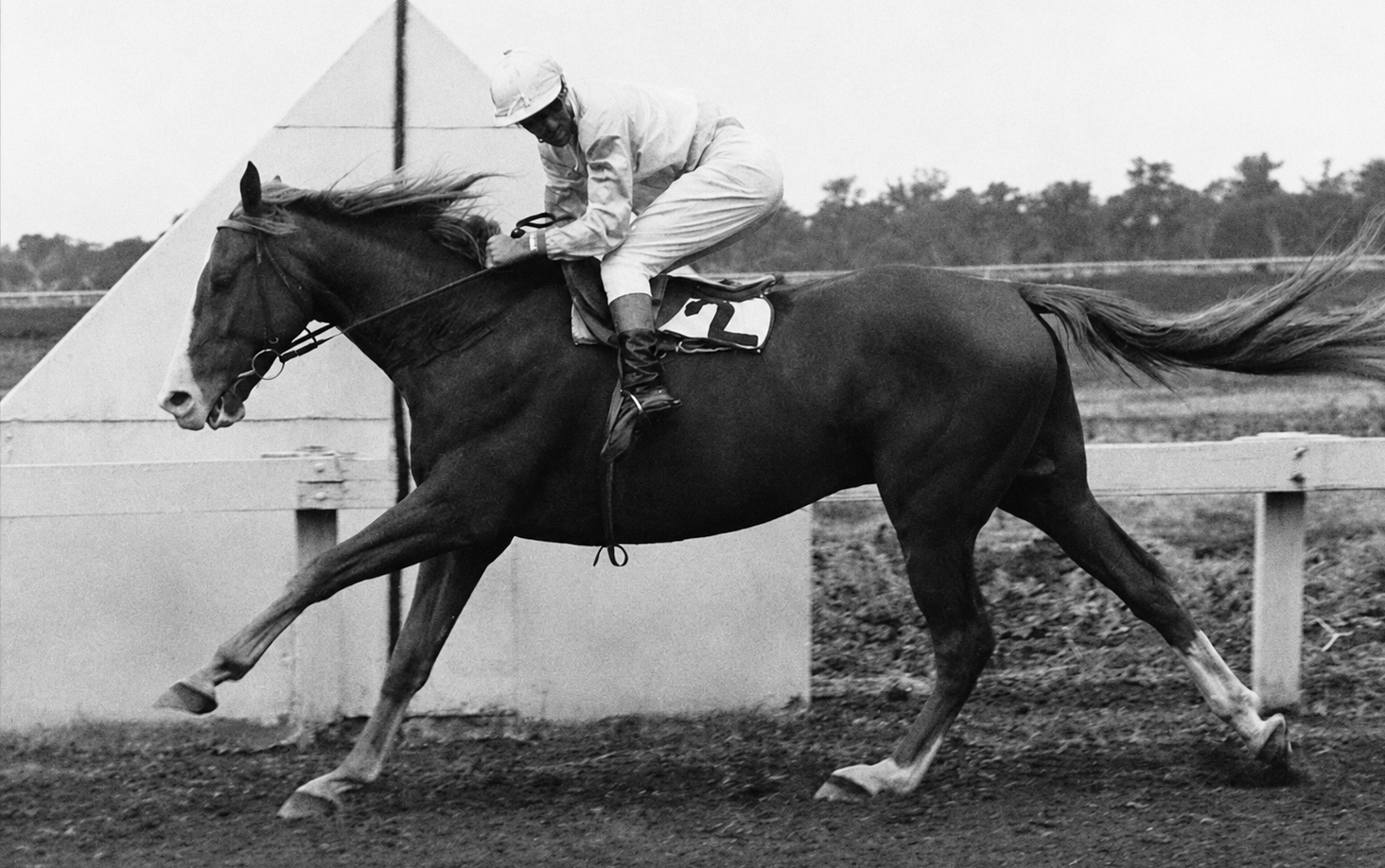
Tough old gelding Mulgate in action.
Moree Picnic Race Club formed
The emergence of picnic racing came in the 1920s, when Moree Picnic Race Club was established.
The club held its inaugural meeting over two days in July, 1924 for grass-fed horses, with visitors from across New South Wales and southern Queensland attending.
Diplomation won the inaugural Boolooroo Cup, with Baumalto winning the Moree Bracelet.
Moree picnic races quickly became one of the region’s premier bush racing events.
In 1928, New South Wales Governor Sir Dudley de Chair and Lady de Chair visited Moree during race week. Heavy rain prevented them attending the races, but they participated in associated social functions and civic receptions.
The visit highlighted the growing prestige of Moree’s racing culture.
In good times and bad
Despite the glamour and celebration, bush racing always remained vulnerable to the harsh conditions of the north-west.
Drought and flood frequently threatened meetings.
In some years, picnic race clubs debated whether enough grass-fed horses were available to proceed, and floods regularly disrupted travel and damaged racecourses.
In 1929, devastating fires swept through Moree, yet the picnic races still went ahead.
Organisers insisted the meeting would proceed despite difficult conditions and appealed to local residents to provide accommodation for visitors.
That determination reflected the resilience that became synonymous with picnic racing communities.
Another defining feature of the Moree picnic races was their connection to charity and fundraising.
Many meetings throughout the district donated proceeds to Moree Hospital and other community causes.
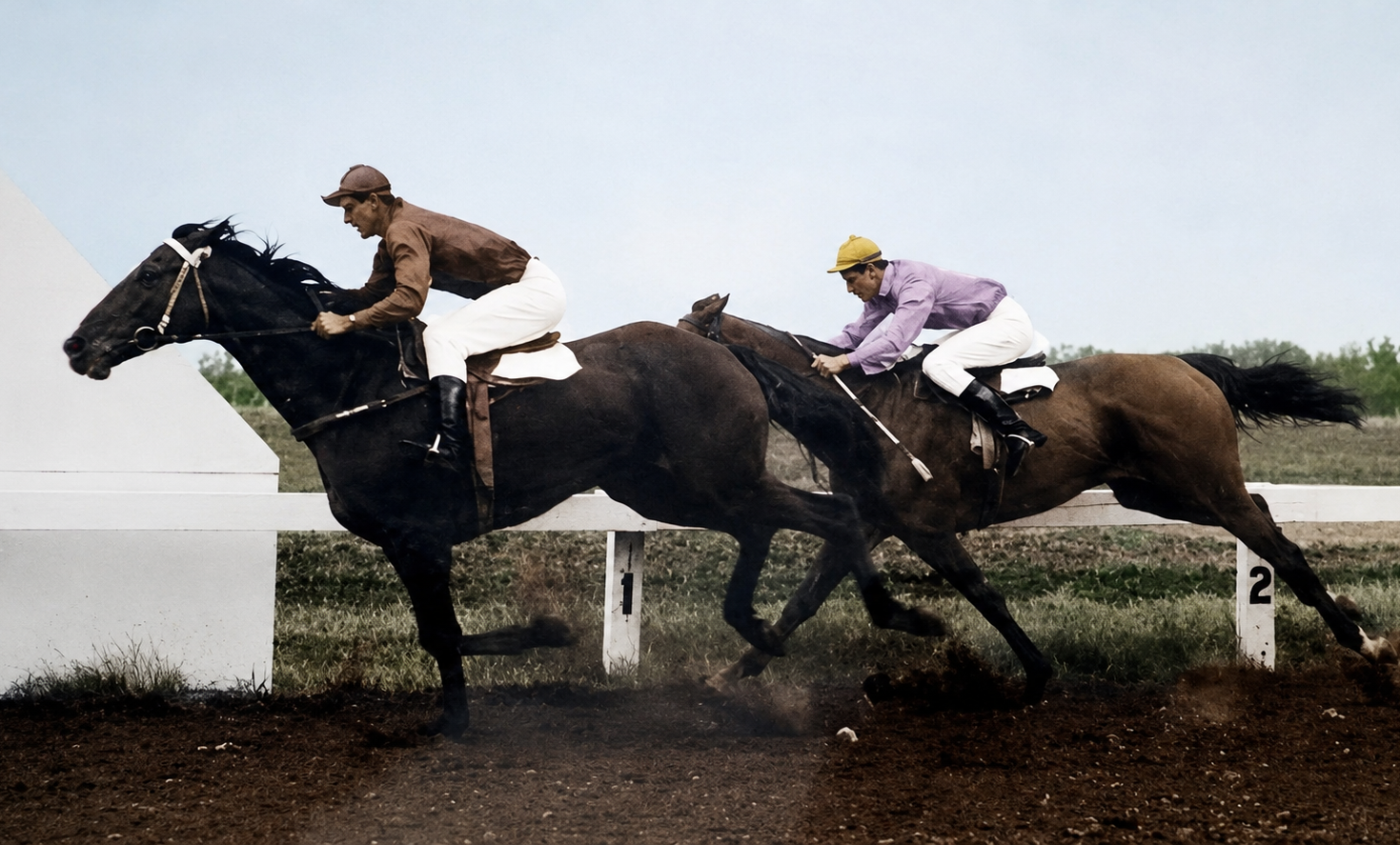
Rob Gill wins the 1955 Boolooroo Cup at Moree picnic races on Wathagar.
The coveted triple crown
Winning the Moree, Mallawa and Talmoi Cups in the same year – bush racing’s ‘triple crown’ – is regarded the ultimate achievement on the Golden Triangle, with only a select group of horses achieving the feat.
Bush marvel Mulgate, trained by Eric Jurd and owned by sisters Geraldene Farrar and Anne Livingston, carved a niche in north-west racing folklore when he became the first horse to win all three picnic cups in the same season.
Wins at Moree, Talmoi and Mallawa sealed the historic clean-sweep and established a benchmark that stood for nearly a decade.
The next horse to conquer the treble was Passing Trade, which achieved the remarkable feat not once, but twice.
The hardy bush galloper won all three cups in 1970 and repeated the effort again three years later, cementing his reputation as one of the greatest picnic horses seen in the district.
Owned by Henry Moses and Percy Stirton, Passing Trade became a crowd favourite throughout the north-west.
Another top galloper to complete the treble was Yakinova in 1976 and more than a decade later, Gefilte joined the elite group by winning all three cups during the 1988 picnic racing season.
More recently, Tapakeg joined the list, collecting all three cups in 2014.
More than a century after Moree picnic races were first run and won, the accomplishment remains one of bush racing’s rarest and most celebrated feats.
Moree picnics 2026
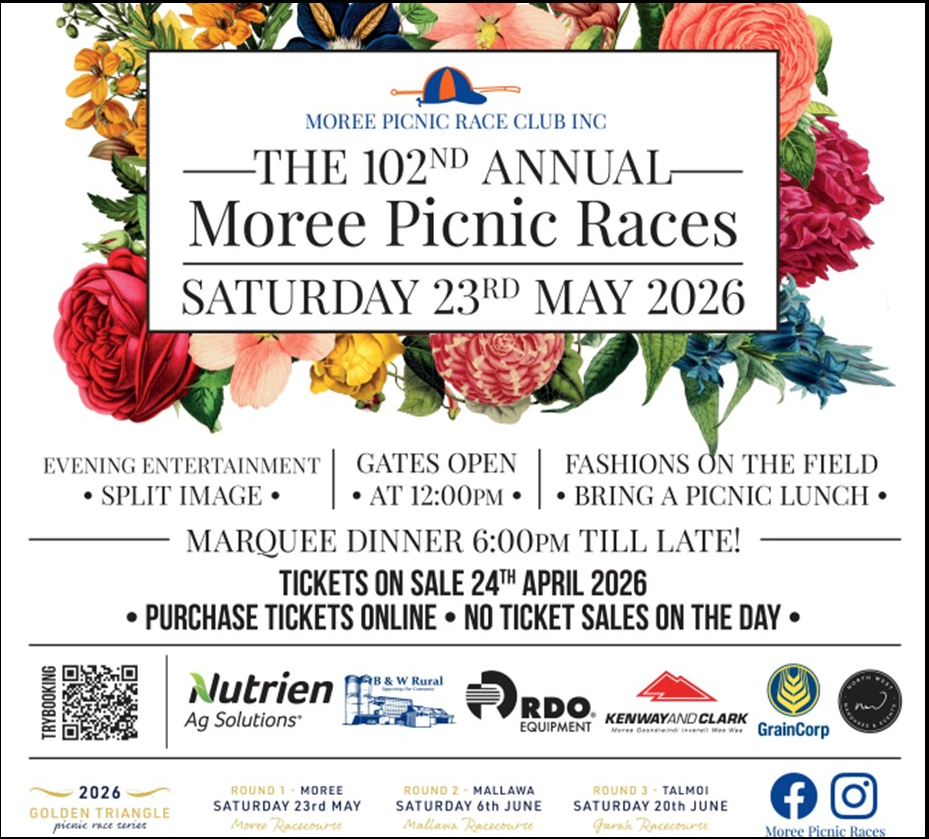
The first leg of bush racing’s Golden Triangle begins the 2026 series at Moree on Saturday, May 23 with six races, including the 1400m Boolooroo Cup and 950m Moree Bracelet.
Supporting races include a 1200m class 3 handicap, 1600m class 2 handicap, 950m class B handicap and a 950m maiden plate.
Major sponsors include B&W Rural, Nutrien Ag Solutions, RDO Equipment, Kenway and Clark, Grain Corp and North West Marquees and Events.
The meeting features fashions-on-the-field as well as an evening dinner with entertainment by Split Image, a father-and-son duo from regional Queensland.
On-course catering will be available, with patrons encouraged to bring along a picnic lunch.
Bush Racing’s Golden Triangle
Moree: Saturday, May 23
Online tickets for Moree: Moree Picnic Races TIX
Moree updates: MPRC Facebook Page
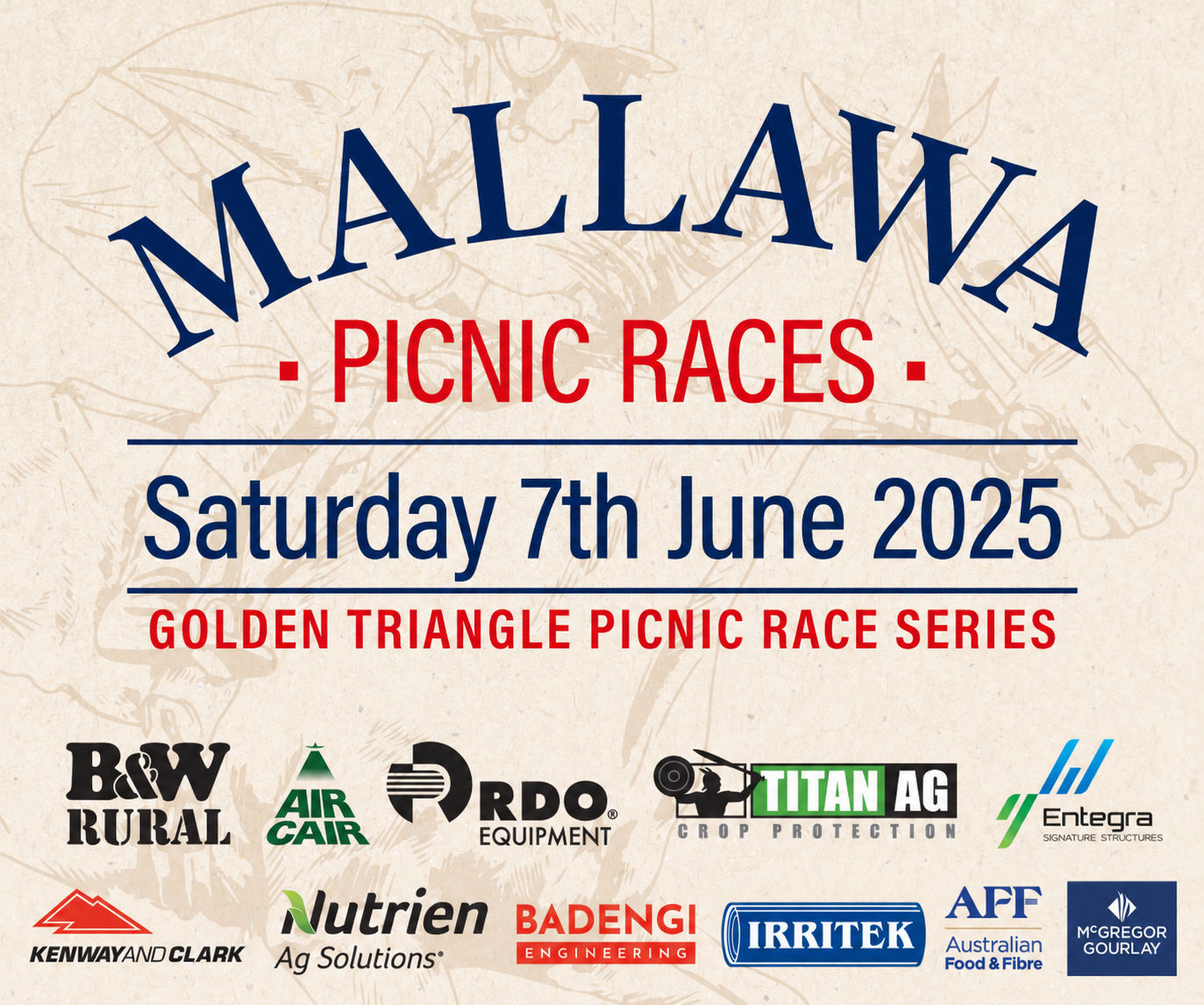
Mallawa: Saturday, June 6. Updates at Mallawa Facebook Page
Online tickets for Mallawa: Mallawa Picnic Races TIX
Talmoi: Saturday, June 20. Updates at Talmoi Facebook Page




0 Comments