
















MOREE’S commitment to reconciliation was celebrated during National Reconciliation Week, culminating in the annual Reconciliation Awards evening at Moree War Memorial Hall on June 5.
The event, with guests including MLC Stephen Lawrence, Moree mayor Susannah Pearse and deputy mayor Wayne Tighe, recognised individuals, organisations and community groups whose contributions have helped strengthen relationships, respect and opportunities across Moree Plains Shire communities.
This year’s National Reconciliation Week theme, All In, called on Australians to commit wholeheartedly to reconciliation every day, highlighting the importance of working together to build stronger and more inclusive communities.
A range of awards were presented to acknowledge outstanding contributions across several categories.
Lyall Munro Jnr was named Aboriginal Male Elder of the Year, while Dawn Dennison received the Aboriginal Female Elder of the Year Award.































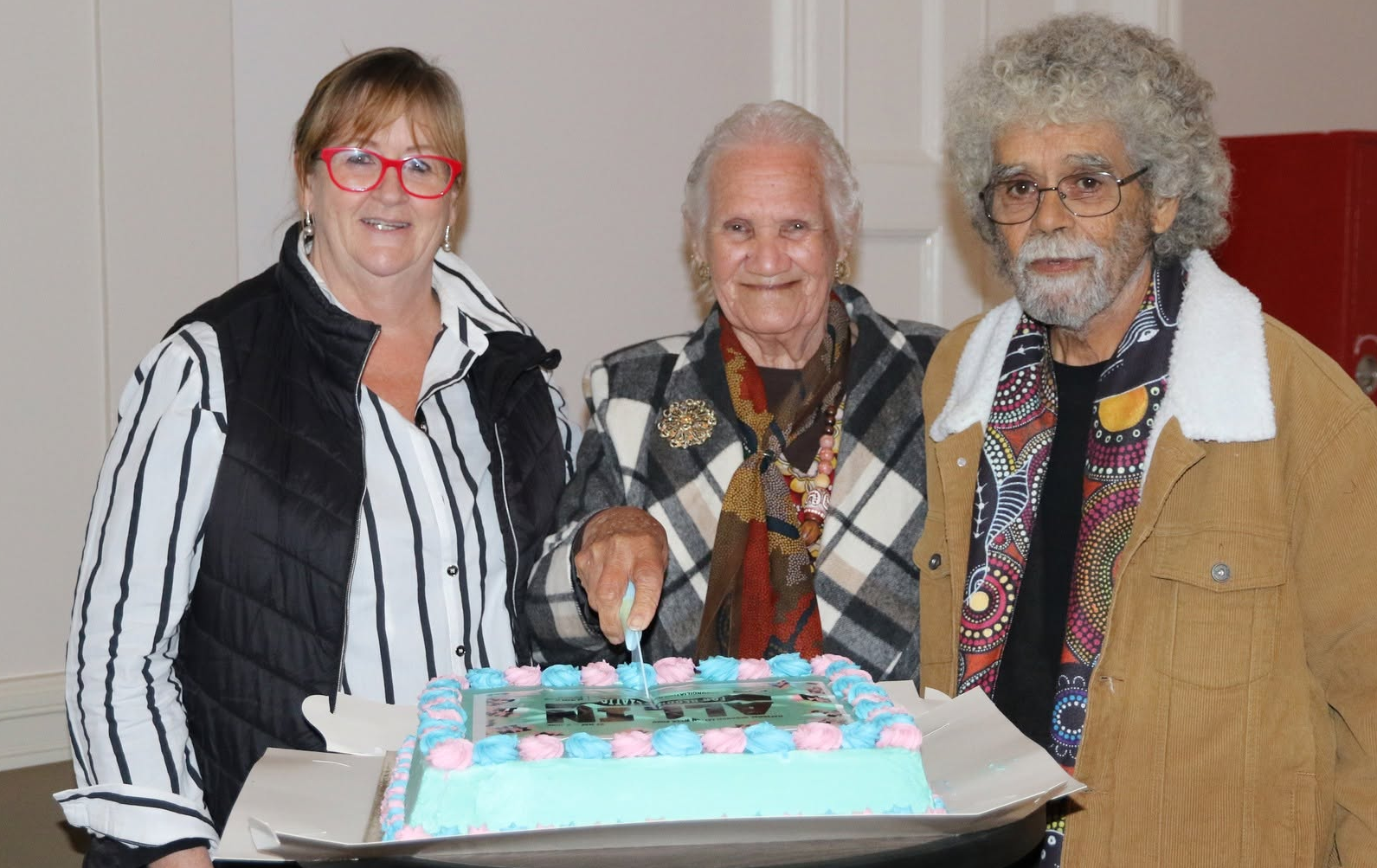
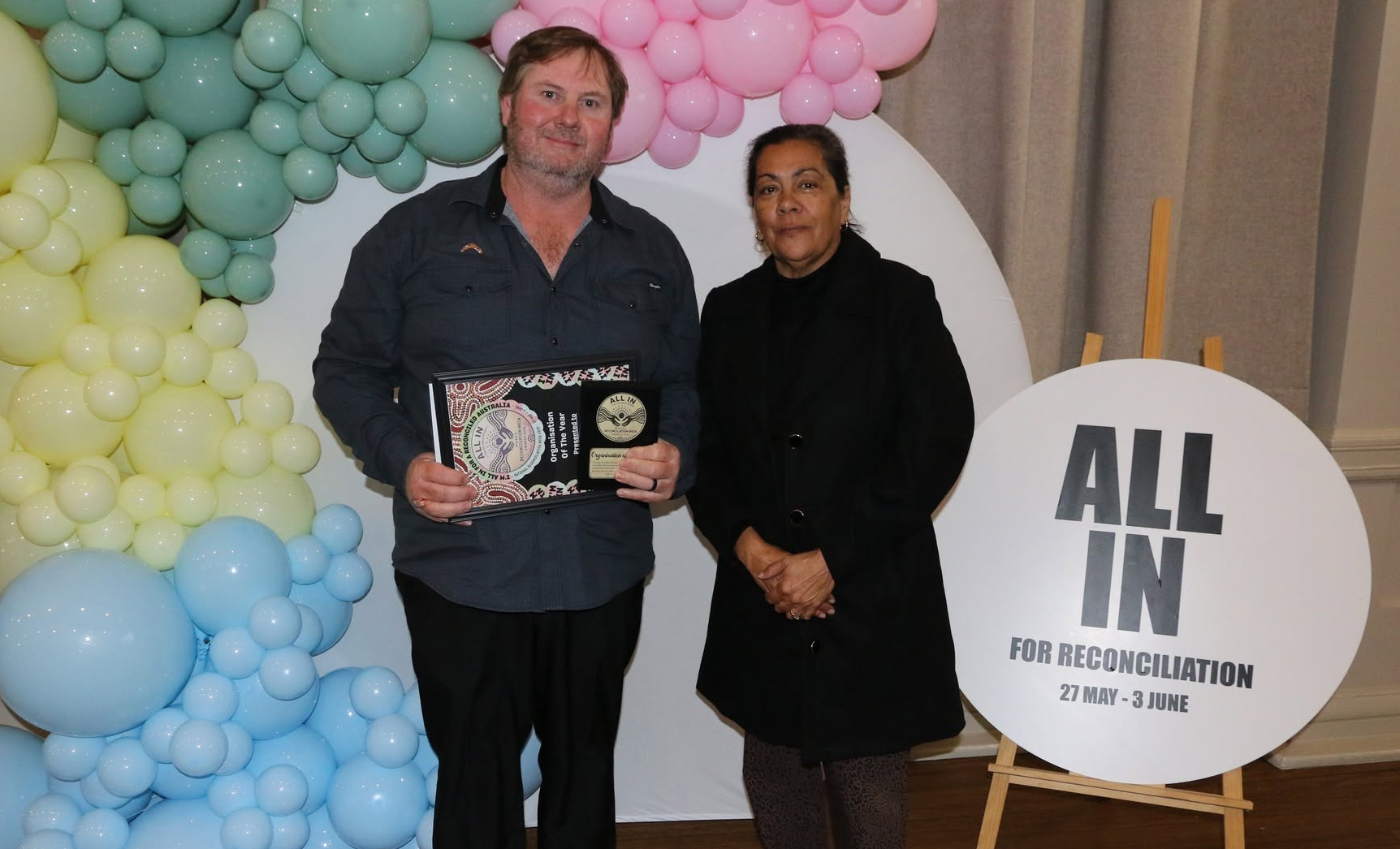
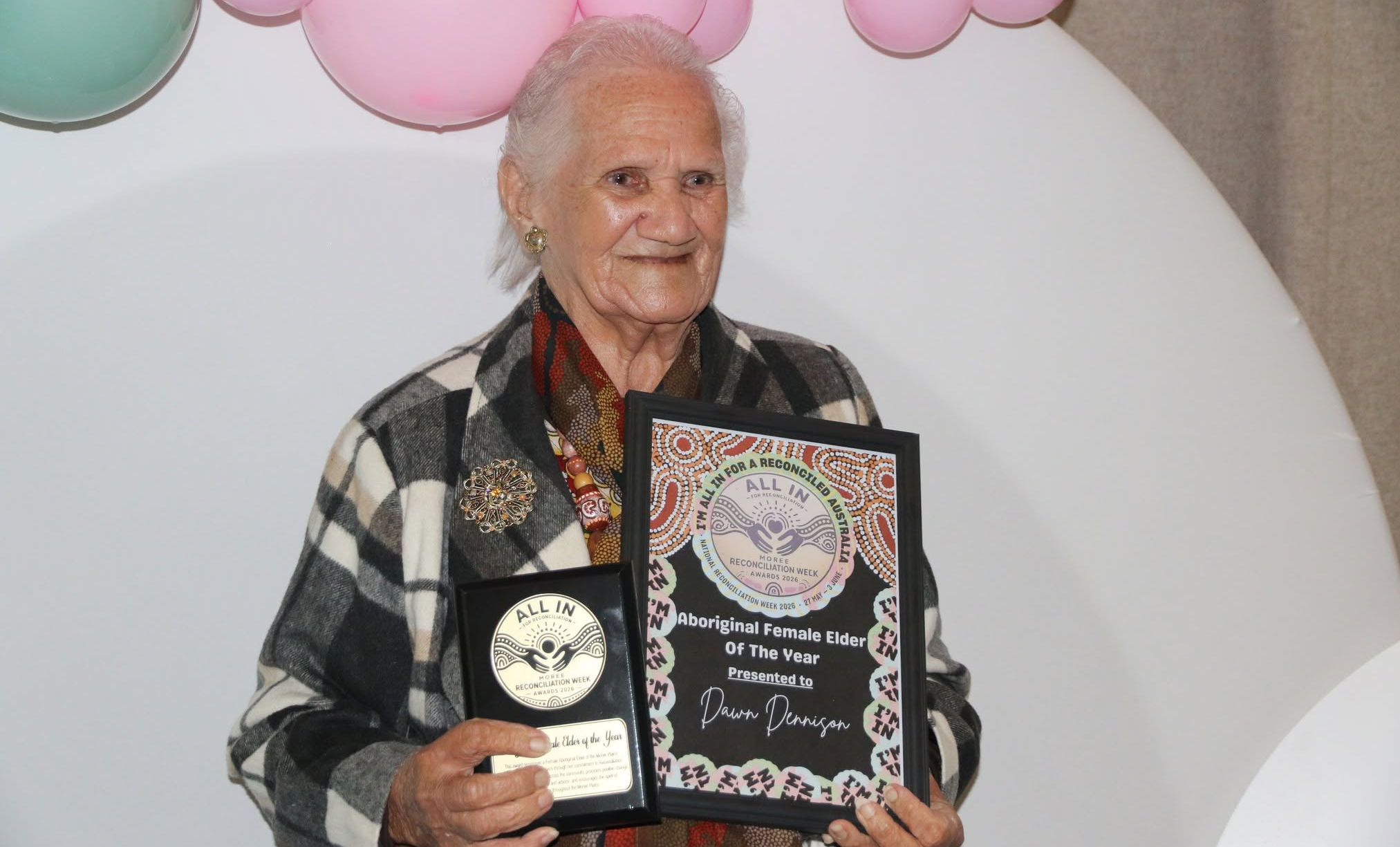
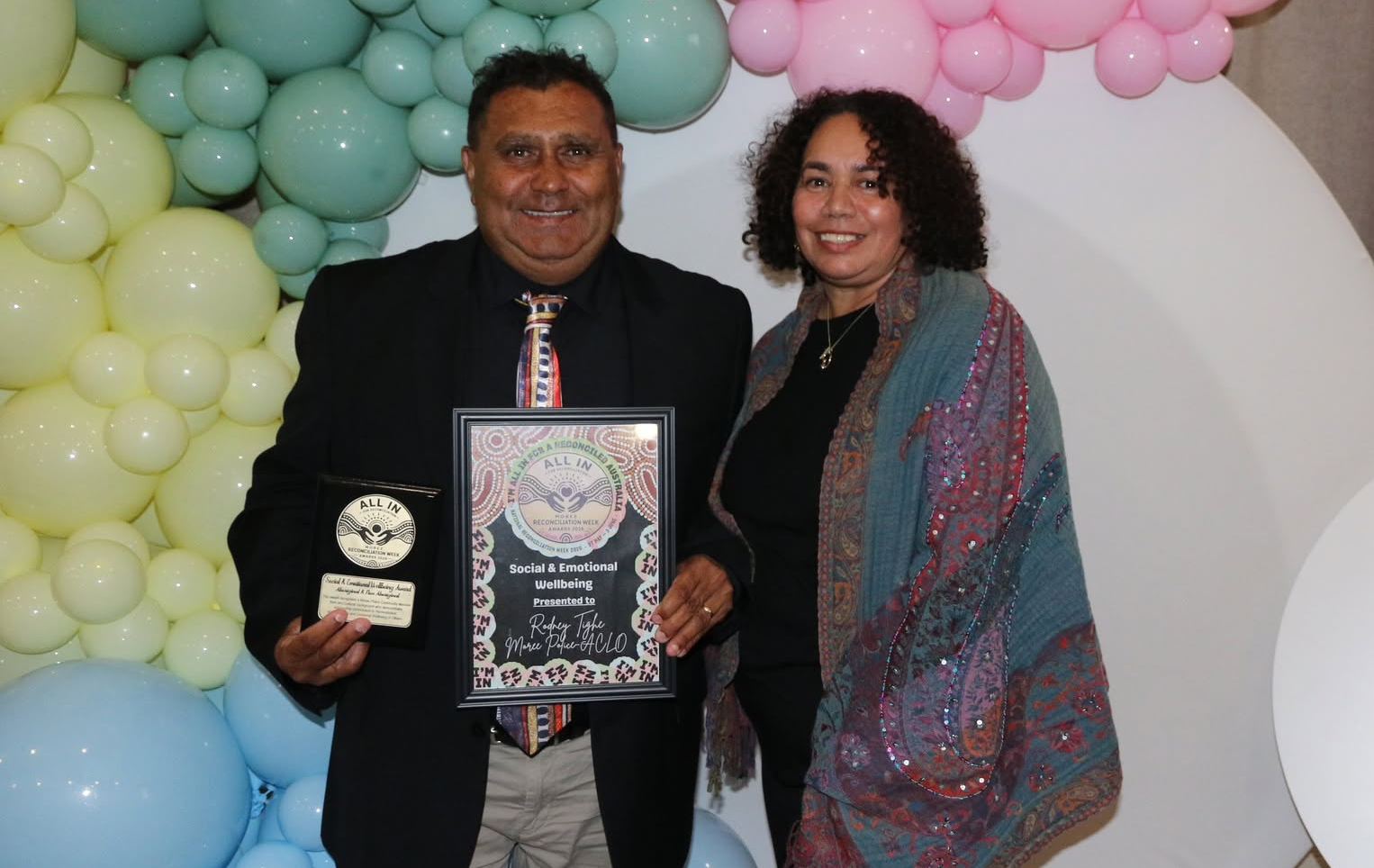
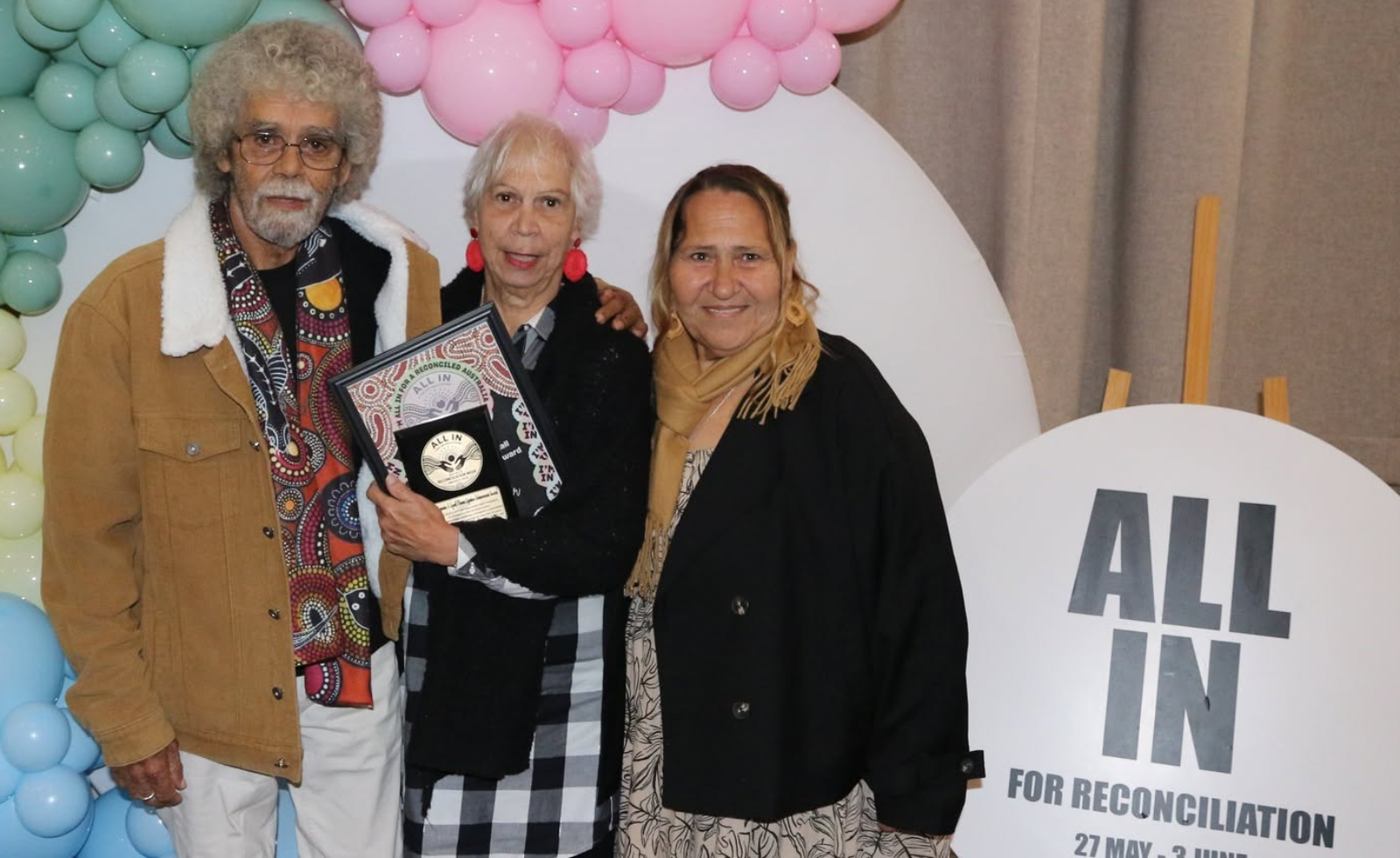
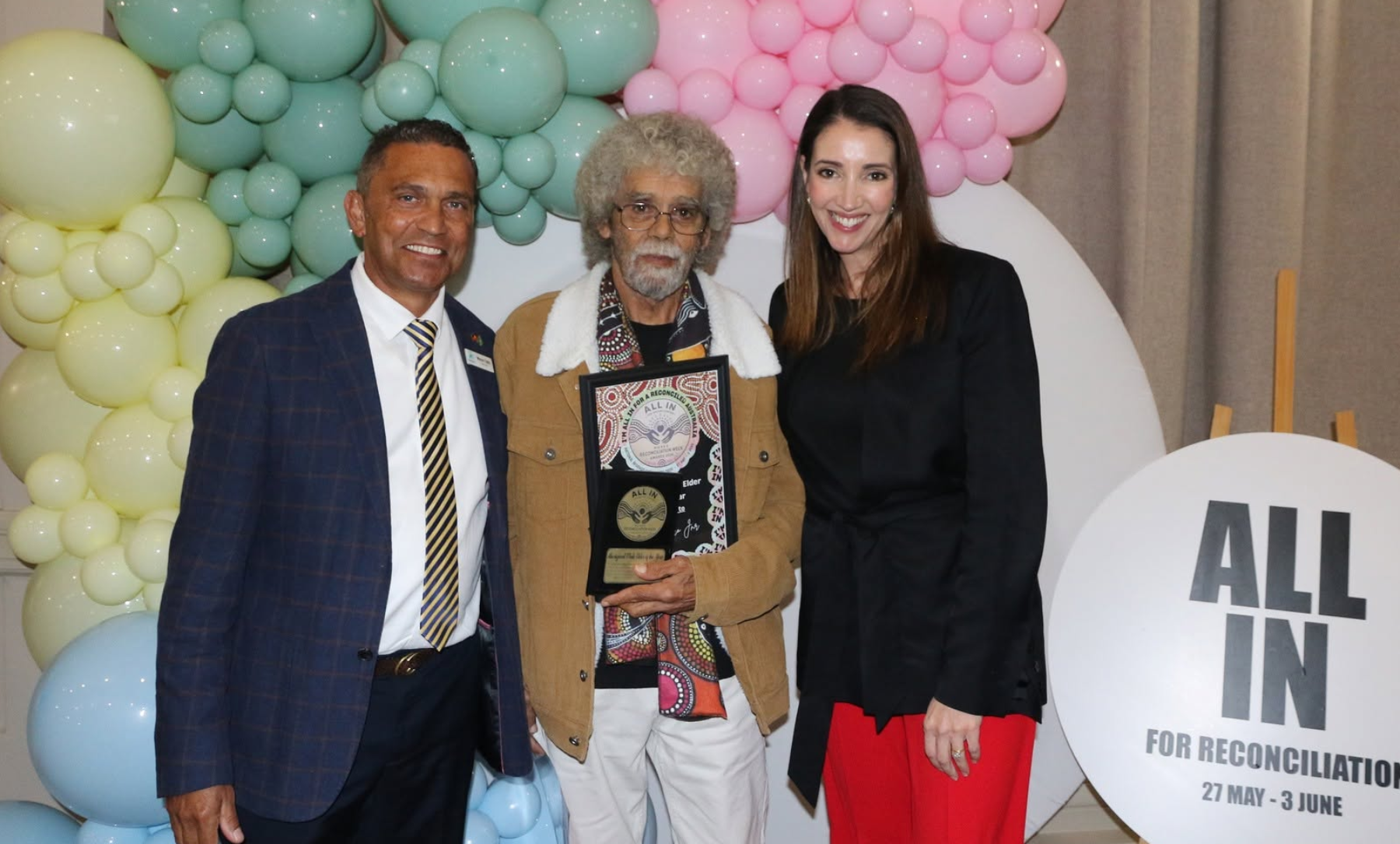
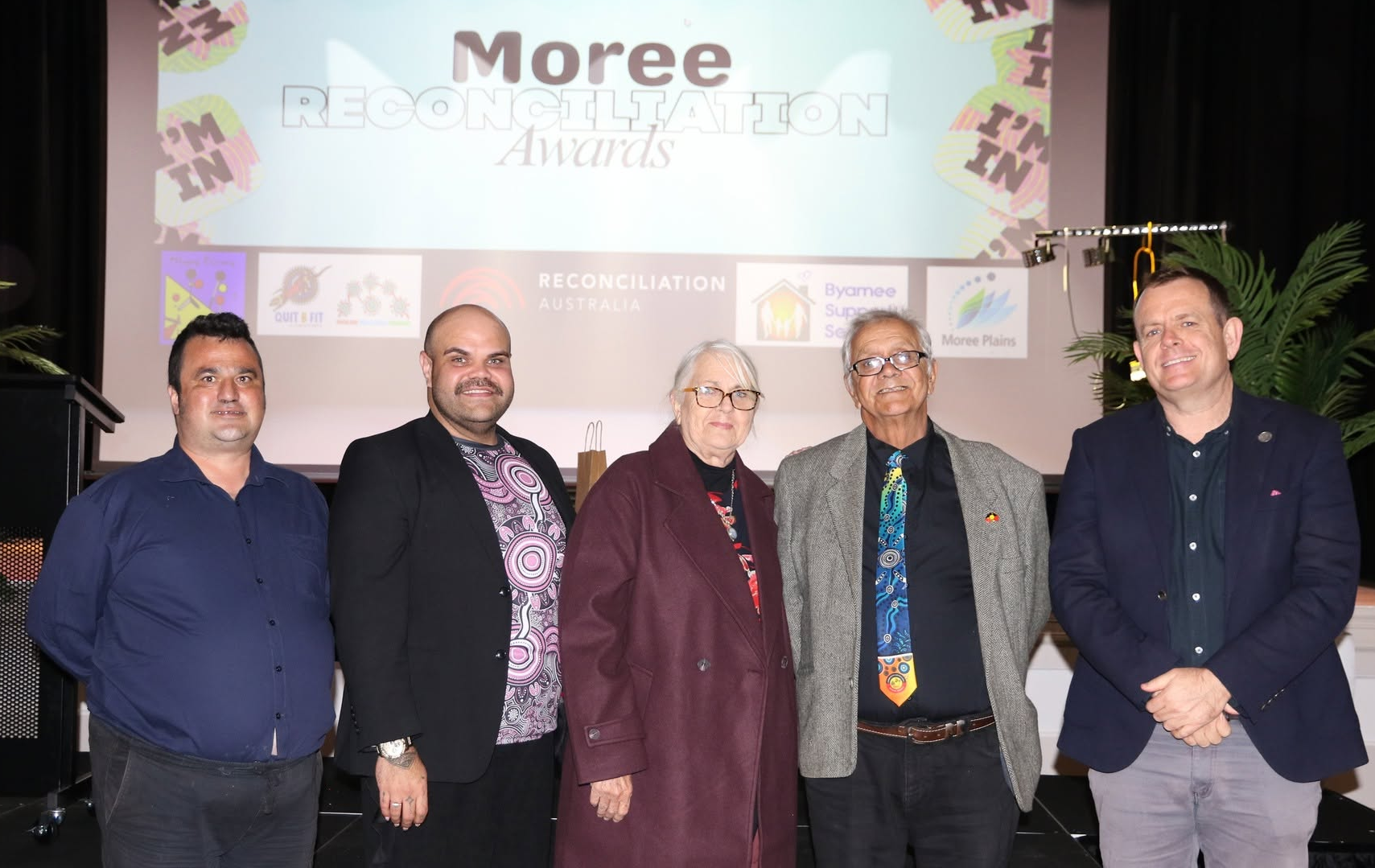
Mr Munro, who turns 75 this year, firmly believes junior sport in the 1960s and 1970s, as well as the innovative 1530 Club, established by Moree Broadcasting and Development Company, paved the way for reconciliation in Moree.
“I’m honoured to be recognised by the community in this way, and my history here sometimes indicates the contrary,” Mr Munro smiled.
“I think the Saturday morning footy comp had all the answers when Moree was in the grip of racism – the council ordinance from 1958 and the Freedom Ride in 1965.
“While this town was in this turmoil, we had a reconciliation program alive and well called Saturday morning football,” he said.
“Reconciliation had already started, and I’ve still got friends from way back then. The game of rugby league in a small country town more than 50 years ago was instrumental in reconciliation.
“There was no racism at footy and, at the time, Moree was the basketball town of the north-west – that’s how popular the game was,” Mr Munro said.
“These were the only avenues open to Aboriginal people and I made a lot of friends who are still friends today.
“The 1530 Club with 2VM also served as a pre-cursor to reconciliation in Moree, with blacks and whites together going on bivouacs and visiting farms,” he said.
Mr Munro said he accepted the Aboriginal Male Elder of the Year Award because it came from the community.
“I tend not to allow myself to be accoladed too much, and I appreciate that the major award on the night was named after my mum and dad,” he said.
“It was a good night; I enjoyed myself, and I think this type of thing should continue.”








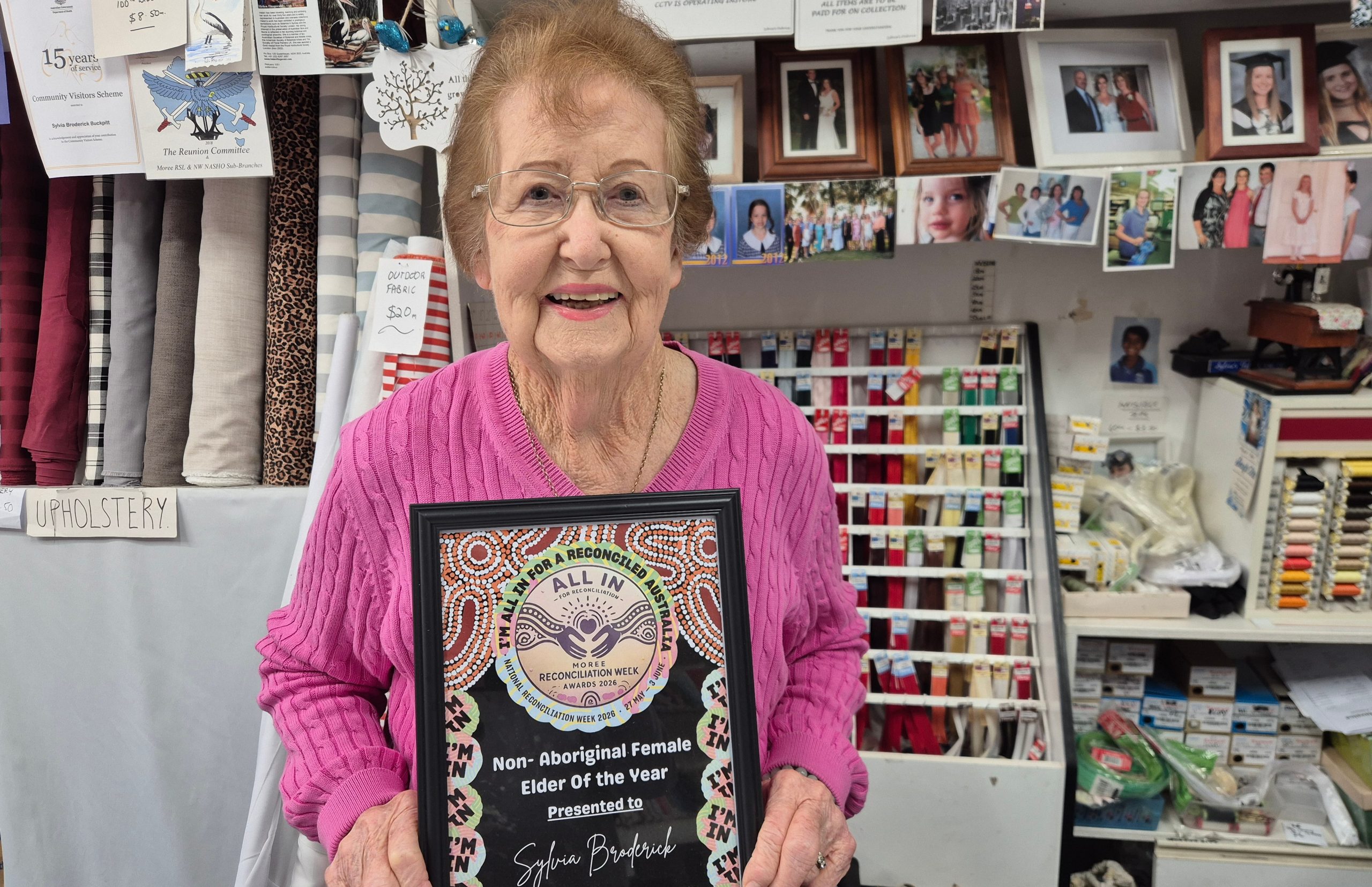
Angela Kelso was named Citizen of the Year and Sylvia Broderick was named Non-Aboriginal Female Elder of the Year.
At 88 years of age, Mrs Broderick is still opening the doors to her iconic Sylvia’s Fabrics haberdashery store each day.
She said winning the award was a great surprise.
“This means so much to me,” Mrs Broderick said.
“I am deeply honoured to be recognised in this way and will treasure this prestigious award.
“I’m overwhelmed, because I think there are so many people in Moree who have done a lot more than I have.
“Reconciliation is important. It has come a long way in Moree, and I hope it continues to thrive, and get even better,” she said.
Aiynzlee Magarry received the Aboriginal Youth of the Year award, while the Social and Emotional Wellbeing Award was presented to Moree Aboriginal community liaison officer Rodney Tighe.
Mr Tighe said he was proud and honoured to receive the award.
“This is not only my award. It belongs just as much to my co-worker, James Smith,” Mr Tighe said.
“We share the workload. I was named the recipient, but it also belongs to James for the work he does around reconciliation on a daily basis.”
As ACLOs, Mr Tighe and Mr Smith establish open lines of communication between police and Aboriginal people, and provide advice to Aboriginal communities about the functions of the NSW Police Force.
They foster partnerships and identify barriers preventing open communication and consultation.
Mr Tighe said the award showcases the work done in their roles as ACLOs.
“We liaise with the community and work with youth and adults across the board,” he said.
“We get across the community in different roles, go to schools, and work with the Guumali Youth Project doing movie nights in the park – we’re pretty versatile, and cover a wide area across the north-west of the state.
“We also work at events like the local footy knock-out and NSW Aboriginal bowls knock-out. We’re only too happy to put up our hands for the community in any way, shape or form,” he said.
Mr Tighe said reconciliation has come a long way in the past 20 or 30 years.
“You don’t realise you’re doing it every day. We’re helping the entire community, black and white, and every service does it as a whole,” he said.
“Everyone gets in and does their jobs and everything we do every day is an act of reconciliation, whether it’s in the schools or in the office, or helping other organisations.”
Donna Taylor was honoured with the Lyall and Carmine Munro Lifetime Achievement Award in recognition of her long-standing contribution to the community.
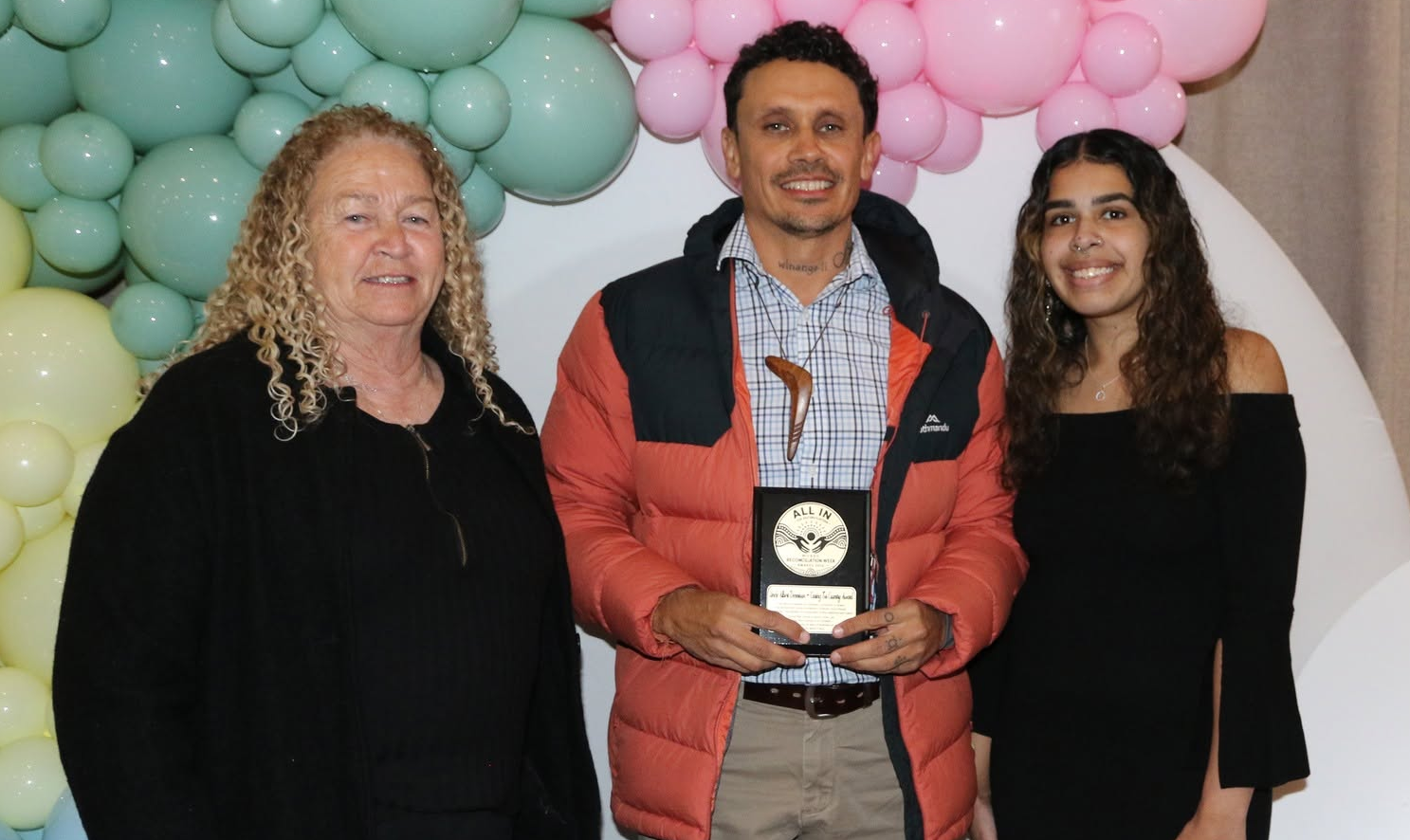
The Albert Dennison Memorial Caring for Country Award was presented to Buddy Hippi, acknowledging efforts to protect and care for the local environment.
The Mehi Murrays TAFE art class received the Celebrating Arts Award, recognising the role of creativity and cultural expression in bringing people together.
Social Co House was named Organisation or Business of the Year for its contribution to the community.
The awards evening formed part of a broader program of National Reconciliation Week activities organised by the Moree Reconciliation Committee.
Moree Plains Shire Council again demonstrated its commitment to reconciliation by providing a $5000 grant to support events during Reconciliation Week.
The annual awards provide an opportunity to celebrate the achievements of local people while recognising the ongoing journey of reconciliation.
By acknowledging community leaders, elders, young people, organisations and volunteers, the event highlights the important role individuals and groups play in creating a more united community.
National Reconciliation Week – May 27 to June 3 every year – is a time for all Australians to learn about shared histories, cultures and achievements, and to recommit to reconciliation.
As National Reconciliation Week concluded, the message behind this year’s theme remained clear – reconciliation is a shared responsibility, with meaningful progress achieved when everyone is All In.
Images supplied by Glen Crump





0 Comments