
















MOREE was thrown into turmoil in December, 1947 when Matron Margaret Geddes was unceremoniously sacked from the local hospital.
All hell broke loose as the town closed ranks around Ms Geddes, who was appointed matron in 1945 after serving four-and-a-half years in the RAAF Nursing Service.
Ms Geddes was discharged from RAAF duties as a senior sister on June 6, 1945 and started duties at Moree Hospital soon afterwards.
The sacking, three days before Christmas, was the talk of the town.
Staff supporting the matron, including two cooks and six domestics, walked off the job half-an-hour after the dismissal was made public.





















The Moree Hospital board recruited volunteers to fill the void and keep the wheels turning.
Once the news of Ms Geddes’ termination filtered through the hospital wards, another eight staff members left their posts.
Just seven people remained on the roster, including a boilerman, wardsman and pantry maid.
A group of six sisters, four nurses and 15 trainee nurses held a meeting and decided not to take strike action.
At the time, there were 40 patients in the hospital, about half its full capacity.
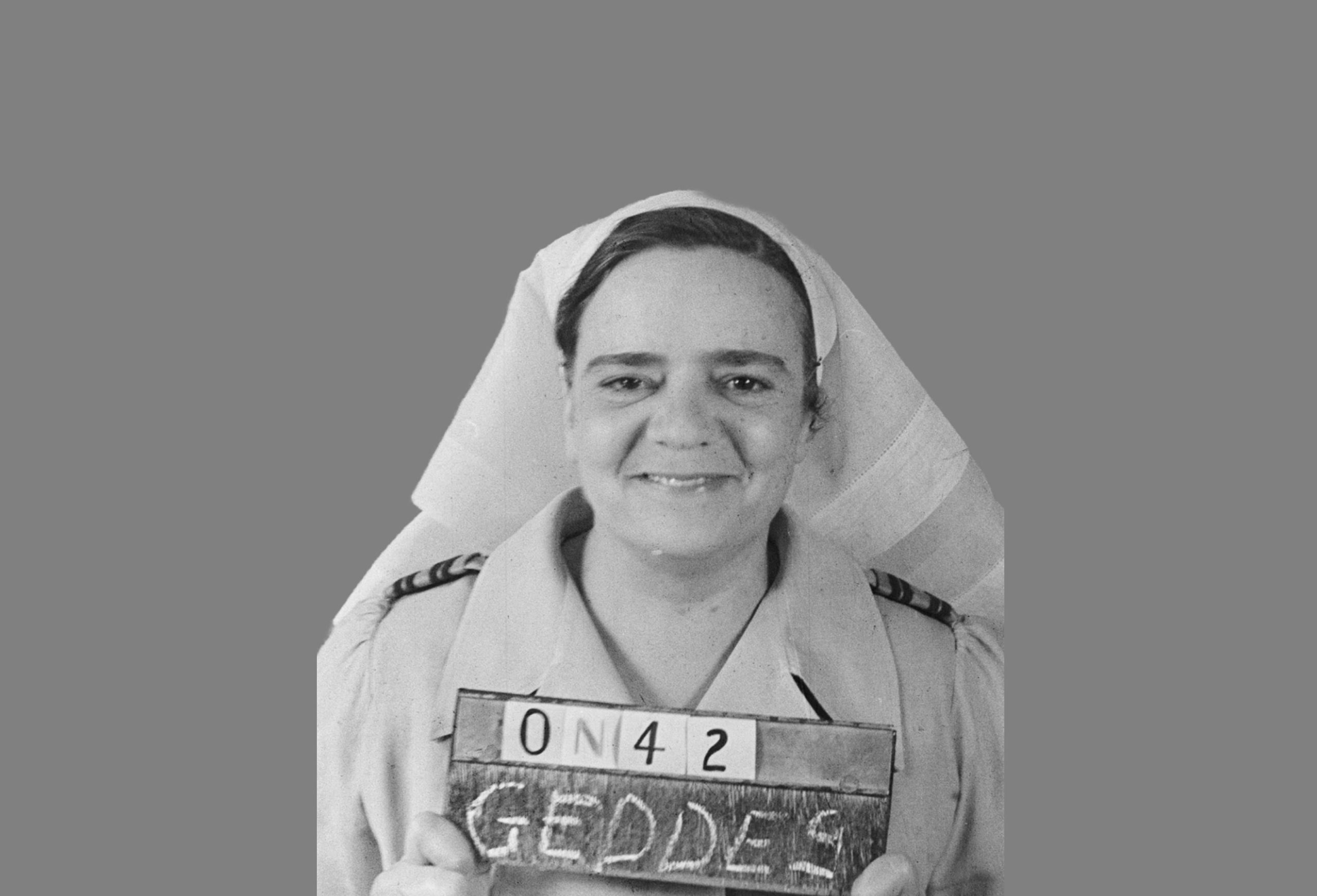
Margaret Geddes enlisted in the RAAF on December 1, 1940 (SN: 501042) and was discharged from duties as a senior sister on June 6, 1945.
Moree Hospital Board president Bill McKechnie told newspapers, board members were not “overly concerned” about the strike.
“There were so many people here yesterday helping to get the patients’ teas, they were in each other’s way,” McKechnie said.
“The patients will have as good, or every chance, of an even better Christmas than usual.”
McKechnie said the hospital’s surgery schedule was not disrupted by the strike action.
“There were three operations between 3pm and 8pm yesterday, and they were done in perfectly normal conditions,” he said.



However, McKechnie refused to say why Matron Geddes was sacked.
The hospital was already understaffed, and those employed at the health facility were overworked, according to a subsequent inquiry.
A flood of letters supporting Ms Geddes was forwarded to the State Industrial Registrar by Nurses’ Association secretary Leslie Hart and Hospital Employees’ Association acting secretary Albert Torkington.
A full-blown strike was avoided when the board accepted the union’s terms of settlement.
Torkington said the board agreed all staff on day shift would return to their positions without loss of pay, pending consideration of the matter of Matron Geddes’ dismissal.
Hospital Employees’ Union secretary James McPhee interviewed striking staff members, who agreed to return to work. Sister Jessie Marshall was appointed acting hospital matron.
The controversy also delayed the much-anticipated opening of the hospital’s new children’s ward.
On Wednesday, January 7, 1948, a hearing of an application by the NSW Nursing Association for
the reinstatement of Matron Geddes, commenced at Moree Court House before Conciliation Commissioner Edgar Kilpatrick, a former Department of Labour and Industry officer and former Deputy Industrial Registrar.
Leslie Hart appeared for Ms Geddes and Frederick Cassidy appeared for the hospital board.
Lengthy evidence was submitted by Ms Geddes as well as current board president Bill McKechnie and former hospital board secretary Robert Cummins.
The reason given for Ms Geddes’ dismissal was “maladministration”.
Ms Geddes told the inquiry her duties during the previous two-and-a-half years included dispensing of medications, housekeeping, administering X-rays and attending all major operations, with the exception of “about three or four”.
“Housekeeping alone is a full-time job,” she told the inquiry.
Ms Geddes, with more than 20 years’ nursing experience, said she was required to give twelve lectures a week, and more if time and resources permitted.
She was also supplied the minutes from monthly board meetings and recalled seeing “some complaints” from staff during the two months prior to her dismissal.
She was questioned about the resignations of several nurses six months earlier.
“When resignations are handed to me, I report them to the secretary, who reports them to the board,” she told commissioner Kilpatrick.
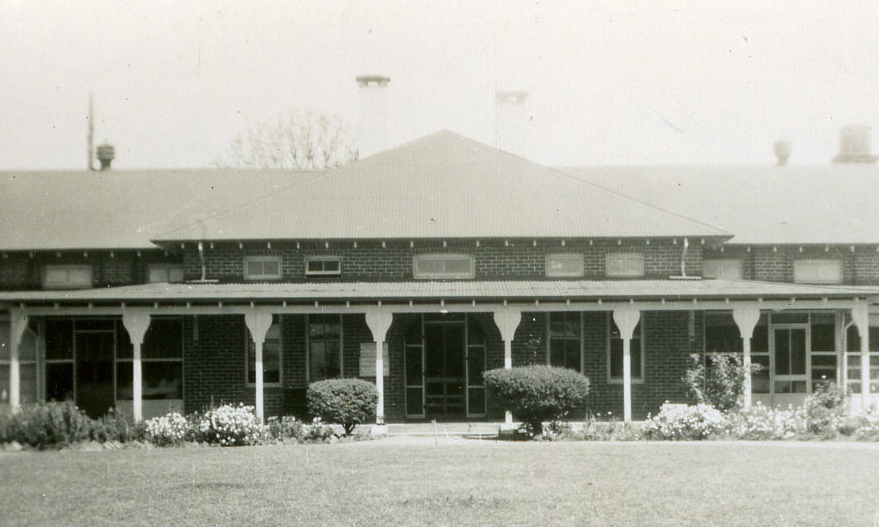
Moree Hospital in 1953.
Ms Geddes said she always endeavoured to have the resignations withdrawn but could not say whether any nurse or sister had resigned because of her administration.
“One trainee said she did not learn enough at the hospital and another, Sister O’Neill, may have resigned because of my administration, as she seemed to be very dissatisfied,” Ms Geddes said.
Sister O’Neill was reinstated after a subsequent board inquiry.
“Nothing has been conveyed to me by the board and I have not heard anything more about my administration,” Ms Geddes said.
The inquiry was adjourned until February 18. However, a private agreement between the hospital board and Matron Geddes was allegedly settled outside the courtroom.
Board president Bill McKechnie told newspapers: “Following the adjournment of the application, an agreement had been reached between the parties, terms of which cannot be divulged.”
Rumours persisted, however, that Ms Geddes had been reinstated by the board but granted immediate long service leave. Sister Jessie Marshall filled the position in her absence.
In a letter to the North West Champion, five days after the initial inquiry, former hospital board secretary Robert Cummins wrote: “Persistent rumours state the matron has been officially reinstated as matron and is at present matron of Moree Hospital; that she has been granted long service leave which will be about five or six months at £10 per week and now, owing to the impossible position between the matron and the board, she is to resign in due course,” Cummins penned.
“Lastly, although it is a question of great public interest, the arrangement is to be kept confidential. If these rumours are incorrect, it is up to the board to deny them.
“Should the current rumours be true, then it would appear matron Geddes has indeed come out of the business very well despite all the pots, pans and old baths that have been literally pelted at her,” Cummins said.
The following week, Cummins again took pen to paper and wrote to the North West Champion.
“Now that it appears the recent hospital battle is gradually passing into the realm of forgotten things and the matron will no doubt submit her resignation within the next four or five months, and in view of the ability and accomplishments of this matron, we are all still foggy as to the reason for the board’s action. None of the reasons so far given could be accepted seriously from a body of public
men of considerable experience,” wrote Cummins.
Acting matron Jessie Marshall tendered her resignation in May and was replaced by Robina Lillicrap.
“Sister Marshall performed her duties admirably during a most difficult and trying time,” board president Bill McKechnie said.
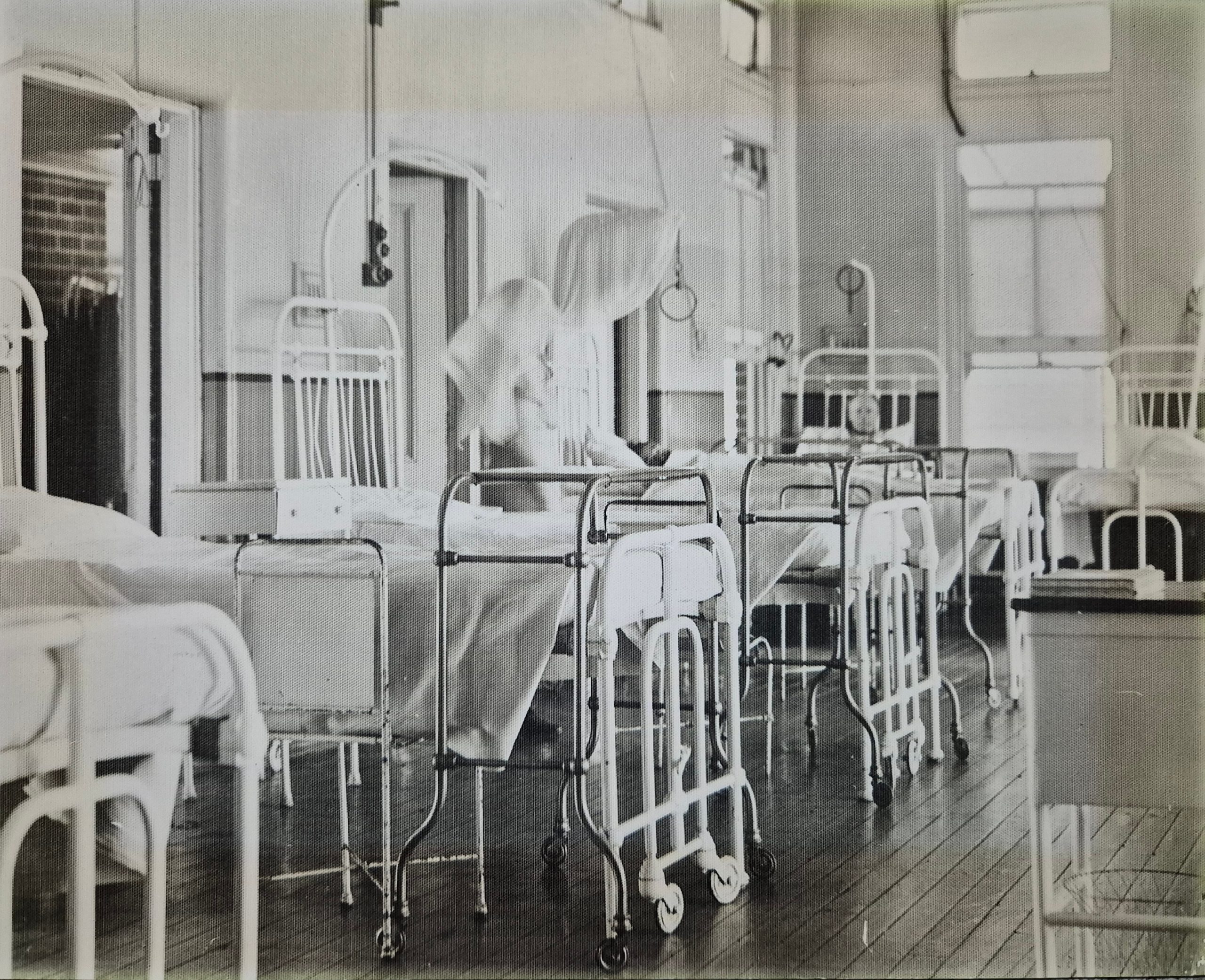
A Moree Hospital ward, circa 1940s.
In March, two months after the dispute was allegedly settled, Nurses’ Association secretary Leslie Hart weighed in on the challenges faced by nursing staff at rural hospitals.
He said nurses should not be expected to administer medication.
“In some small country towns, where there is no chemist, the matron of the hospital is forced to dispense not only for the hospital but for the whole town,” Hart said.
Hart used Matron Geddes’ workload at Moree Hospital as a reference.
“Matron Geddes was dispenser for her hospital, X-ray technician, theatre sister for all major operations, and housekeeper as well as administrative head of the hospital,” Hart said.
“She was dismissed by the board for ‘maladministration’. Many other matrons at country hospitals are working under similar conditions and the strain is far too much for them.”
Meanwhile, the delayed opening of the much-talked about children’s ward was held on a rainy Saturday morning in late February, 1948.
Minister for Health, Christopher Kelly, officially opened the ward, which was completed nearly 12 months earlier but remained unoccupied because of acute staff shortages.
The 18-bed ward was decorated with murals by 44-year-old Pixie O’Harris, a highly-regarded artist with 15 written-and-illustrated children’s books already in her vast body of work.
O’Harris was awarded the Queen’s Coronation Medal in 1953. During the 1950s, O’Harris and her brother Olaf completed murals and paintings for the children’s wards at several hospitals, some of which were later unearthed, restored and publicly displayed.
During a tour of the hospital, Minister Kelly told Bill McKechnie and local member Roy Heferen, funding would be made available to start construction of a new hospital.
He said £180,000 would be placed on the estimates the following month.
“I will personally make a strong recommendation that Moree is high priority,” he promised.
Words: Bill Poulos









0 Comments