
















A trailblazing project west of Moree that will reduce carbon emissions and create the state’s first large-scale green hydrogen and ammonia production facility has been given the green light to kick the project into the next gear.
The Good Earth Green Hydrogen and Ammonia project near Moree has now secured all the financial approvals to move into detailed design and procurement to enable shovels to hit the ground later this year once planning approvals are locked in.
The project aims to replace fossil fuels by using solar energy to power 15 MW electrolysers which will split rainwater into hydrogen and oxygen to produce up to 16 tonnes of green ammonia per day.
The ammonia will be used to produce fertiliser for Sundown Pastoral Company’s Keytah farm – a 65,000-acre sustainable cotton and cropping operation and one of the largest in the Gwydir region – as well as other agricultural properties.
As a result, over the next 20 years, GEGHA will reduce regional farmers’ CO2 emissions by up to 17,000 tonnes each year, which is the equivalent of powering more than 2000 homes.

































Sundown Pastoral Company owner David Statham, said agriculture is always adapting.
“As farmers, we have adapted for generations and have been measuring our emissions and reductions for the past five years,” Mr Statham said.
“There is an increasing demand for fibres that demonstrate a lower footprint and the GEGHA project allows us to further control the reduction of our emissions.”
When complete, the GEGHA project will break new ground in New South Wales as its first end-to-end hydrogen production hub, decarbonising local fertiliser manufacturing and use, while accelerating the state’s capabilities in the green hydrogen industry.
Hiringa Energy co-founder, CEO Andrew Clennett, said the GEGHA project demonstrates how low-carbon ammonia can be integrated into regional farming through a scalable, cost-effective model.
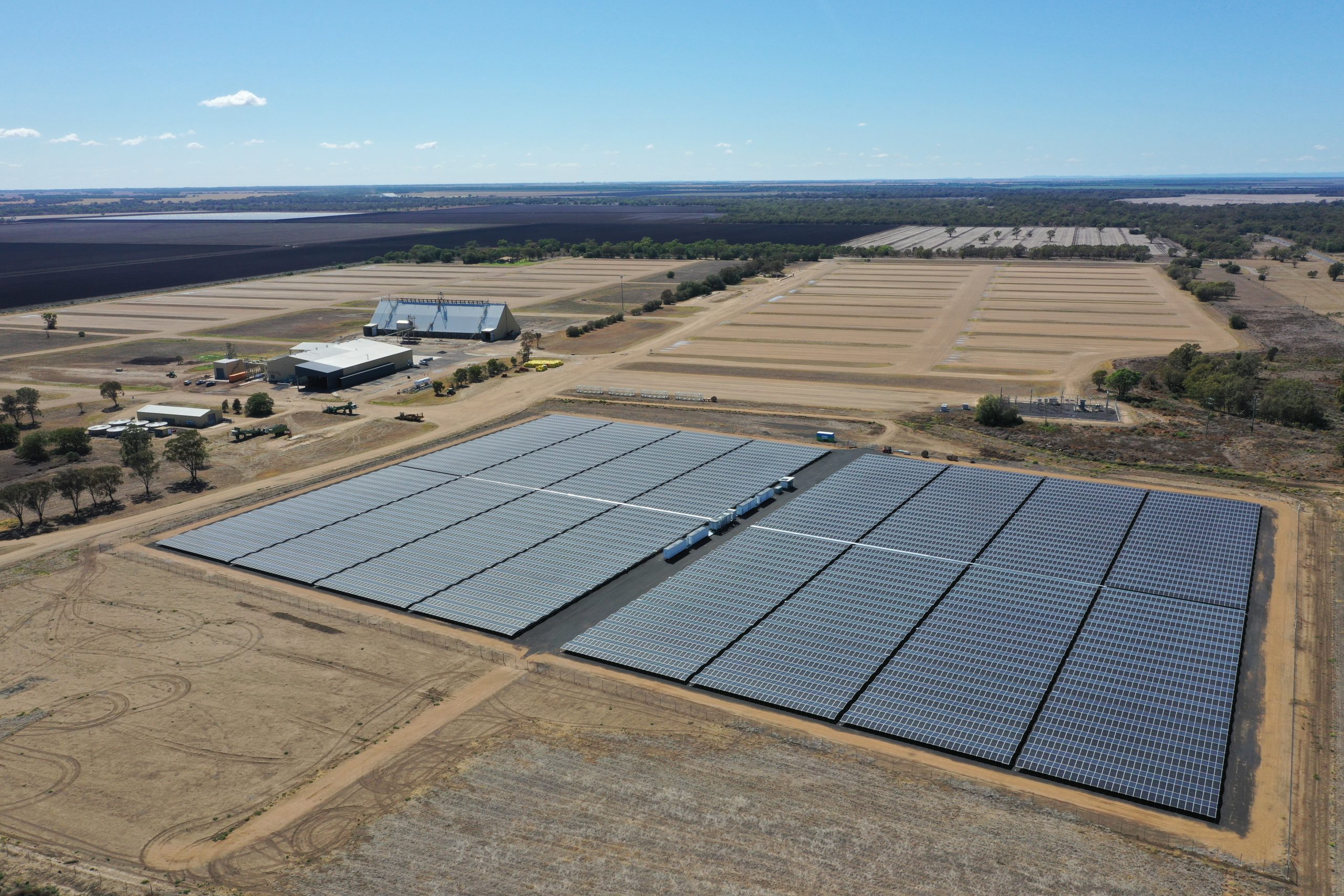
The Good Earth Green Hydrogen and Ammonia project near Moree has now secured all the financial approvals to move into detailed design.
“As both a template and a catalyst, GEGHA paves the way for decentralised production of fertiliser across NSW’s agricultural valleys – cutting emissions, meeting demand, and driving a more resilient regional economy,” Mr Clennett said.
Subject to planning approvals, the first stage of construction is expected to begin in October with the installation of the solar panels, followed by the hydrogen and ammonia plant in early 2026.
GEGHA is jointly led by New Zealand’s Hiringa Energy and Sundown Pastoral Company.
The NSW Government is investing $35.8 million to support the project as part of the NSW Hydrogen Hubs Initiative.
Executive director climate change, Jenny Merkley, said the GEGHA project – along with others in the NSW Hydrogen Hubs Initiative – is taking major steps towards reducing carbon emissions in essential industries.





“New South Wales’ industries will learn from the hydrogen hubs across the state, with potential to leverage hydrogen-enabled value chains such as this, creating more jobs, experience and capabilities in sustainable industries as we progress towards net zero,” she said.
For more information go to Hydrogen Hubs in NSW.







0 Comments