




















AS Australia prepares for another busy summer on the water, and many country folk head to the coast during the school holidays, lifeguards and water safety experts are issuing a clear and urgent message: floating – not swimming – could save lives.
The 2025 National Drowning Report reveals 357 people drowned across Australia in the past year, a 27 per cent increase on the 10-year average, marking one of the deadliest years on record.
A series of recent drowning deaths and near-fatal incidents at Australian beaches and waterways have further underscored the need for a shift in how people respond when things go wrong in the water.
Veteran Bondi lifeguard Bruce Hopkins, who has spent more than 30 years rescuing people from some of the country’s busiest surf beaches, says the message could not be simpler.
“People who float conserve energy and, in most cases, survive,” Mr Hopkins said.





































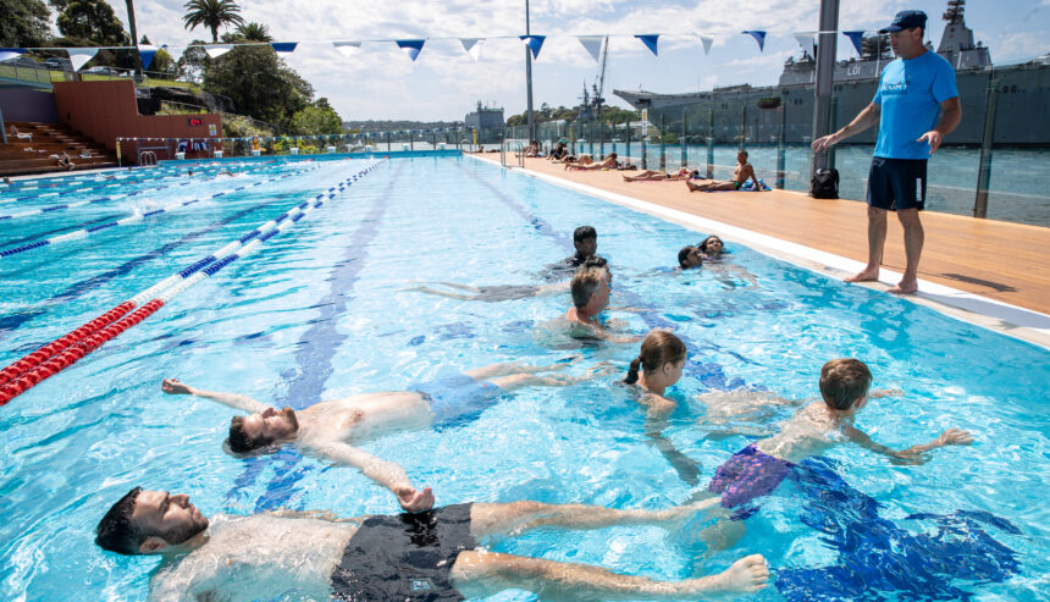
Australia has now adopted Float to Survive as its national drowning-prevention message.
“People who panic, struggle, and try to swim against the water can drown in less than 30 seconds. If in trouble, stop fighting the water and float.”
Lifeguards say rip currents are involved in most coastal rescues and many drownings – not because people can’t swim, but because they panic and exhaust themselves.
Clear advice
Stop: Don’t fight the rip or try to swim straight back to shore;
Float: Keep your airway above water, relax your body and control your breathing. Floating conserves energy and keeps you calm; and
Signal: Raise an arm or call for help while floating.
“Floating gives you time,” Hopkins said.
“Time to breathe, time to think and time for a lifeguard or bystander to help.”
Australia has now adopted Float to Survive as its national drowning-prevention message, with the campaign gaining momentum across surf education, community programs, schools, and national media.
According to Hopkins, the message resonates well beyond Australia.





“The UK, New Zealand, India, Vanuatu and countries across Europe are all endorsing floating as the immediate response in a drowning situation,” he said.
“It’s universal – no strength, no equipment, no swimming ability required.”
Experts stress that floating is not limited to lying on your back in a starfish position.
Active floating can involve lying on your back or stomach, floating upright, or calmly transitioning between positions, with the goal simply to keep the airway above water while conserving energy.
Five key actions
Keep your head and mouth above water;
Control your breathing;
Use your arms and legs for balance;
Maintain buoyancy with gentle movement; and
Signal for help.
The life-saving skill is now being incorporated into school-based water safety programs, community education initiatives, and summer awareness campaigns nationwide, including partnerships with Belgravia Leisure and surf education providers.
“Drownings happen quickly and silently – often to people who never intended to swim,” Hopkins said.
As holidaymakers head to beaches, rivers and backyard pools, authorities are urging everyone to swim between the flags, always supervise children, and remember the message that could save a life: If in doubt, float it out.
“If every Australian knew how to float and stay calm, we could save countless lives,” Hopkins said.










0 Comments