




















COUNTRY Mayors Association of NSW chairman, Rick Firman, has welcomed the announcement by Minister for Emergency Services Jihad Dib MP that Rural Fire Service assets, commonly known as the Red Fleet, will transfer to State Government ownership from July 1 next year.
“After years of advocacy and a Parliamentary inquiry, the right decision has finally been made: RFS assets should belong to the RFS, not local councils,” Mr Firman said.
“Councils across remote, rural and regional New South Wales strongly support the RFS, but that support should never have included carrying ownership of RFS firefighting equipment and vehicles.”
From July 1, 2027, ownership of the Red Fleet will align with operational reality: the RFS already has full control of these assets.
“It has never made sense for councils to carry Red Fleet assets on their books,” Mr Firman said.


































“The CMA has long advocated that both ownership and control should sit with the RFS.”
Under the current legislative arrangements, ownership of RFS firefighting equipment rests with local councils.
As a result, councils across the State have been required to record, account for and depreciate assets over which they have no operational control.
“It is important the RFS not only controls the assets it uses for firefighting but also owns them. This is also a positive outcome for the RFS, as it brings ownership into line with responsibility and day-to-day operational use,” Mr Firman said.
The new arrangement will deliver consistent statewide standards and improved reliability and vehicle lifecycle management, better reflecting the current operating model while continuing the longstanding partnership with councils to support emergency services.
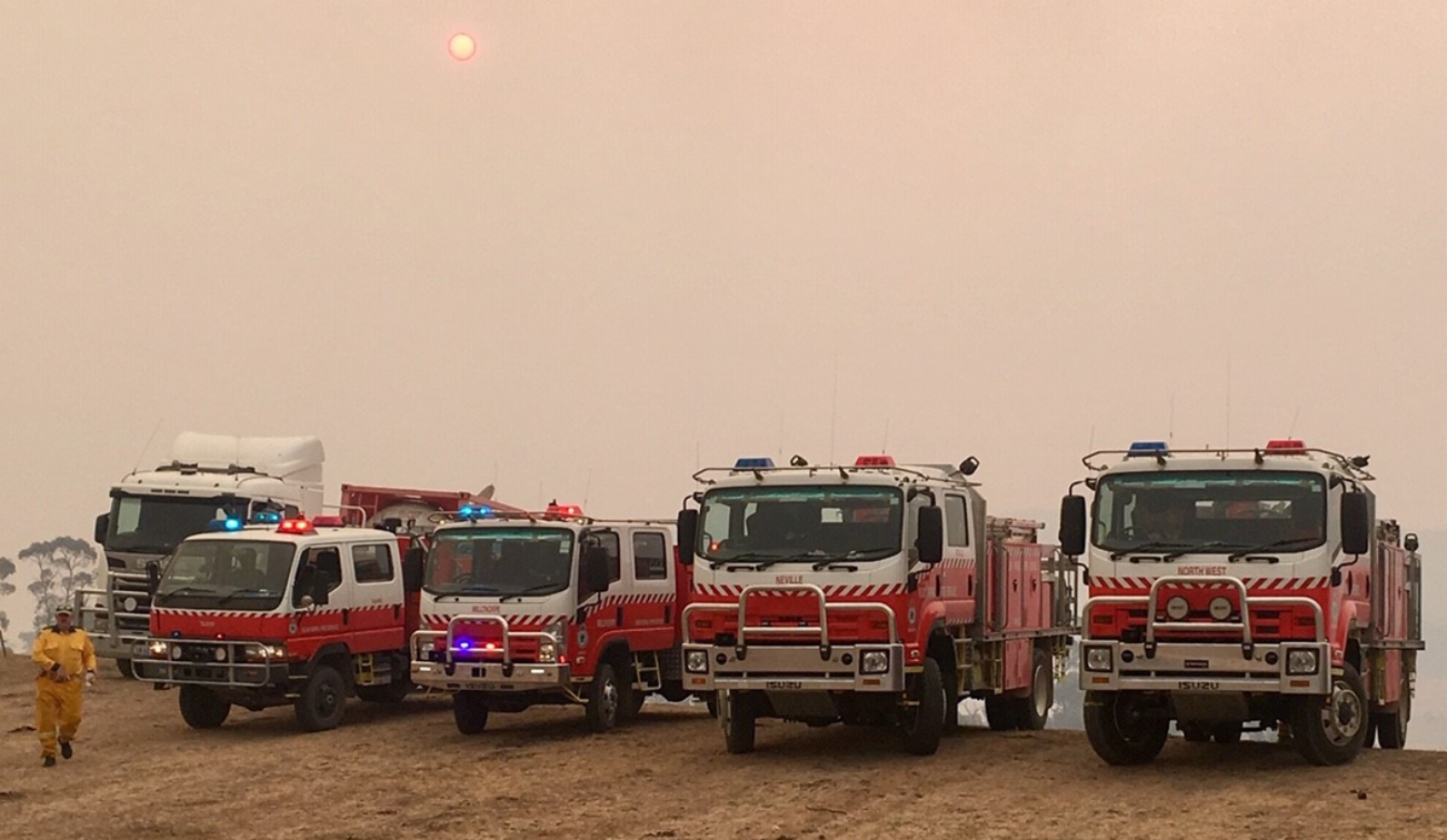
Rural Fire Service assets, commonly known as the Red Fleet, will transfer to State Government ownership from July 1 next year.
Councils will be engaged over the coming twelve months to support the transition and identify opportunities to assist with future maintenance.
Emergency Services Minister Jihad Dib and Local Government Minister Ron Hoenig today joined
Minister for Emergency Services Jihad Dib said more than $34.5 million has been invested to upgrade 28 rural fire brigade stations and Fire Control Centres this financial year, out of a wider $716.4 million investment in the RFS.
“We are planning for the future and investing in our firefighting fleet and facilities to strengthen community safety and the resilience of our emergency response,” he said.
“This reform is the next step in making our frontline services fit for the future, giving local communities and our RFS volunteers the support they need to respond to bush fires and other emergencies.







“Our focus on the state’s firefighting capability reflects our deep respect for the people who step up when it matters most.
“By working with local government to establish new fleet maintenance hubs and services we are also supporting local jobs and industry and ensuring communities benefit from this investment.”
Minister for Local Government Ron Hoenig said local councils have made it clear the existing arrangements no longer reflect the practical reality that the Rural Fire Service operates the fleet.
“Before any decision was made, it was important to understand how these arrangements arose, the role local government had historically sought to retain, and the consequences of any change,” he said.
“The Government has now accepted a pathway that aligns ownership with operational responsibility while recognising the continuing and important role councils play in bushfire prevention, hazard reduction and emergency management.
“Councils remain valued partners in protecting their communities, and this reform provides greater clarity about responsibilities while reducing an administrative burden that councils have consistently raised.”
RFS Commissioner Trent Curtin said the announcement is a landmark and momentous reform for the RFS.
“It is one of the most significant investments in our operational capability in recent years,” he said.
“Our firefighters rely on these vehicles every day in some of the most demanding and unpredictable conditions, and it is essential we equip them with a fleet that is safe, reliable and fit for purpose.
“This reform establishes, for the first time, a consistent and modern approach to fleet management across NSW. It strengthens safety, improves reliability and ensures our members are always ready to respond when communities need them most.”








0 Comments